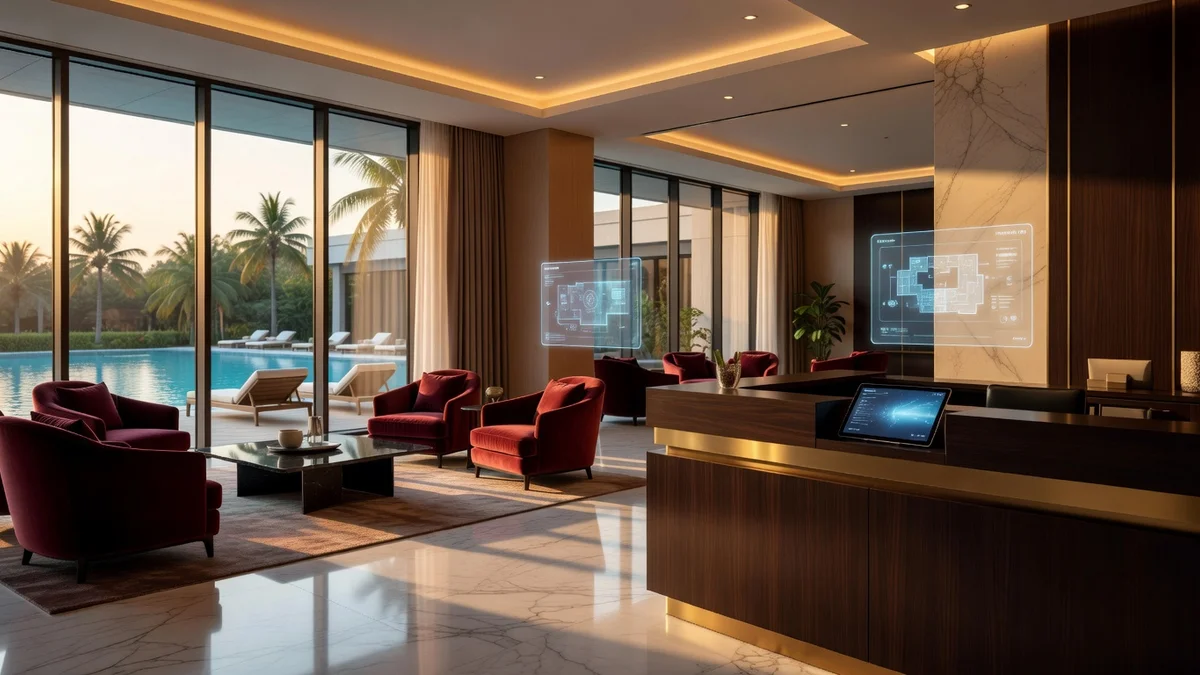
Introduction to Process Automation in Hospitality
Imagine this: It’s peak season at your bustling hotel or campsite, and your front desk is overwhelmed with check-ins, reservation changes, and guest inquiries. Staff are juggling phones, emails, and paperwork, while guests wait impatiently. What if you could streamline all that chaos with a few smart tools? That’s where process automation comes in, transforming how hospitality businesses operate. In an industry where efficiency can make or break guest satisfaction, understanding the benefits of process automation is crucial for staying competitive. According to a recent report by McKinsey, automation could boost productivity in hospitality by up to 40% by 2035. In this post, we’ll dive into the key advantages, backed by practical examples and actionable advice tailored for hotel managers, campsite owners, and hospitality professionals.

What is Process Automation?
Before we explore the benefits, let’s clarify what process automation means in the context of hotels and hospitality businesses. At its core, process automation involves using technology—like AI-driven software, bots, and integrated systems—to handle repetitive tasks without constant human intervention. This isn’t about replacing your team; it’s about empowering them to focus on what they do best: creating memorable experiences for guests.
For instance, automation can manage everything from booking confirmations to inventory tracking. Tools like Jengu’s AI solutions integrate seamlessly with existing property management systems (PMS), allowing for customized workflows. Whether you’re running a luxury resort or a cozy campsite, these systems adapt to your needs, reducing manual errors and speeding up operations.
Key Benefits of Process Automation
The benefits of process automation extend far beyond just saving time—they touch every aspect of your business, from operations to guest satisfaction. Let’s break them down with real-world insights.
Enhanced Operational Efficiency
One of the most immediate benefits of process automation is the dramatic increase in efficiency. Manual processes, like updating room availability or processing payments, can eat up hours of staff time. Automation handles these tasks in seconds, freeing your team for higher-value activities.
Consider a mid-sized hotel during a busy weekend. Without automation, staff might spend half their shift manually entering data into spreadsheets. With an automated system, reservations sync instantly across platforms, reducing double-bookings by up to 70%, based on data from Hospitality Technology magazine. For campsite owners, this means automated site assignments based on guest preferences, ensuring no overlaps.
Actionable Advice:
- Start small: Automate one process, like email confirmations, using tools that integrate with your PMS.
- Measure impact: Track time saved per task—aim for a 30% reduction in the first month.
Significant Cost Savings
Automation isn’t just efficient; it’s a cost-cutter. By minimizing errors and optimizing resources, hotels and hospitality businesses can slash operational expenses. A study by Deloitte estimates that automation in hospitality can reduce labor costs by 15-20% through better scheduling and reduced overtime.
Picture a resort where housekeeping staff receive automated alerts for room turnovers. Instead of overstaffing to handle peaks, the system predicts demand based on check-out data, ensuring just the right number of team members are on shift. This not only cuts payroll but also reduces waste in supplies, like linens and cleaning products.
- Bullet points on cost-saving areas:
- Labor Optimization: Automated scheduling tools prevent overstaffing, potentially saving 10-15% on wages.
- Error Reduction: Fewer mistakes in billing or inventory mean less revenue loss—hotels report up to $50,000 annual savings from automated invoicing.
- Energy Management: Smart systems automate lighting and HVAC in unoccupied rooms, cutting utility bills by 20%, per ENERGY STAR estimates.
For campsite owners, automating reservation fees and deposits can prevent no-show losses, adding thousands to your bottom line each season.
Improved Guest Experience
Guests today expect seamless, personalized service, and process automation delivers just that. By handling routine tasks, staff can focus on creating wow moments, leading to higher satisfaction scores and repeat visits.
Take automated check-in kiosks or mobile apps: Guests skip lines and get room keys via their phones, with personalized recommendations based on past stays. A TripAdvisor survey shows that 85% of travelers prefer hotels with self-service options, boosting Net Promoter Scores (NPS) by 10-15 points.
At a vacation rental or campsite, automation can send pre-arrival emails with weather updates or activity suggestions, making guests feel valued from the start.
Actionable Advice:
- Integrate chatbots for 24/7 guest queries—resolve 70% of common issues without staff involvement.
- Use data analytics to personalize offers, like upgrading a repeat guest to a premium site.
“Automation turns good service into exceptional experiences, where every guest feels like a VIP.” – Hospitality Industry Expert

Better Staff Management and Retention
Hospitality is notorious for high turnover, but automation can help by reducing burnout and empowering your team. When repetitive tasks are automated, employees engage in more meaningful work, leading to higher job satisfaction.
According to Gallup, engaged teams in hospitality see 21% greater profitability. Automation tools provide real-time dashboards for managers, showing staff workloads and performance metrics. For example, a hotel chain using automated shift bidding reported a 25% drop in absenteeism.
Campsite owners benefit too—automate maintenance logs so staff aren’t bogged down with paperwork, allowing more time for guest interactions or site improvements.
- Tips for Implementation:
- Train staff on automation tools to build confidence and reduce resistance.
- Use feedback loops: Survey your team quarterly to refine automated processes.
Data-Driven Decision Making
In the data-rich world of hospitality, automation provides actionable insights that drive smarter decisions. Systems collect and analyze data on occupancy rates, guest preferences, and revenue trends, helping you forecast and adapt.
A report from Statista indicates that data analytics in hotels can increase revenue by 10% through targeted marketing. Imagine automating reports that highlight peak booking times, allowing you to adjust pricing dynamically.
For resorts or campsites, this means predicting seasonal trends and optimizing inventory—say, stocking more tents during family holiday peaks.
Numbered List of Data Benefits:
- Real-Time Analytics: Spot trends instantly, like a surge in eco-friendly requests.
- Predictive Forecasting: Use AI to anticipate demand, reducing under-occupancy by 15%.
- Personalized Marketing: Automate email campaigns based on guest data, boosting open rates by 20%.
Real-World Examples of Process Automation Success
To make the benefits of process automation tangible, let’s look at some examples. A boutique hotel in New York implemented AI-driven revenue management, increasing occupancy by 18% and revenue by $200,000 annually, as per their case study. Similarly, a campsite chain in California automated guest feedback collection, leading to a 12% rise in online reviews and bookings.
Another success story: A resort in Florida used automation for inventory tracking, cutting food waste by 30% and saving $50,000 yearly. These aren’t outliers—hospitality businesses of all sizes are reaping rewards.
How to Get Started with Process Automation
Ready to harness these benefits? Here’s a step-by-step guide:
- Assess Your Needs: Audit current processes to identify bottlenecks, like manual check-ins.
- Choose the Right Tools: Look for scalable solutions like Jengu’s AI platform, which specializes in hospitality automation.
- Pilot and Scale: Test on one department, gather feedback, and expand.
- Train and Monitor: Invest in staff training and track KPIs like efficiency gains.
Remember, the goal is integration, not overhaul—start with high-impact areas for quick wins.

Conclusion: Embrace the Future of Hospitality
The benefits of process automation for hotels and hospitality businesses are clear: from boosting efficiency and cutting costs to enhancing guest experiences and enabling data-driven strategies. In a competitive landscape, those who automate thrive, turning operational challenges into opportunities for growth. If you’re a hotel manager, campsite owner, or hospitality professional looking to streamline your operations, now’s the time to act.
At Jengu, we specialize in AI automation tailored for the hospitality industry. Contact us today to discover how our solutions can transform your business—let’s automate your success together.