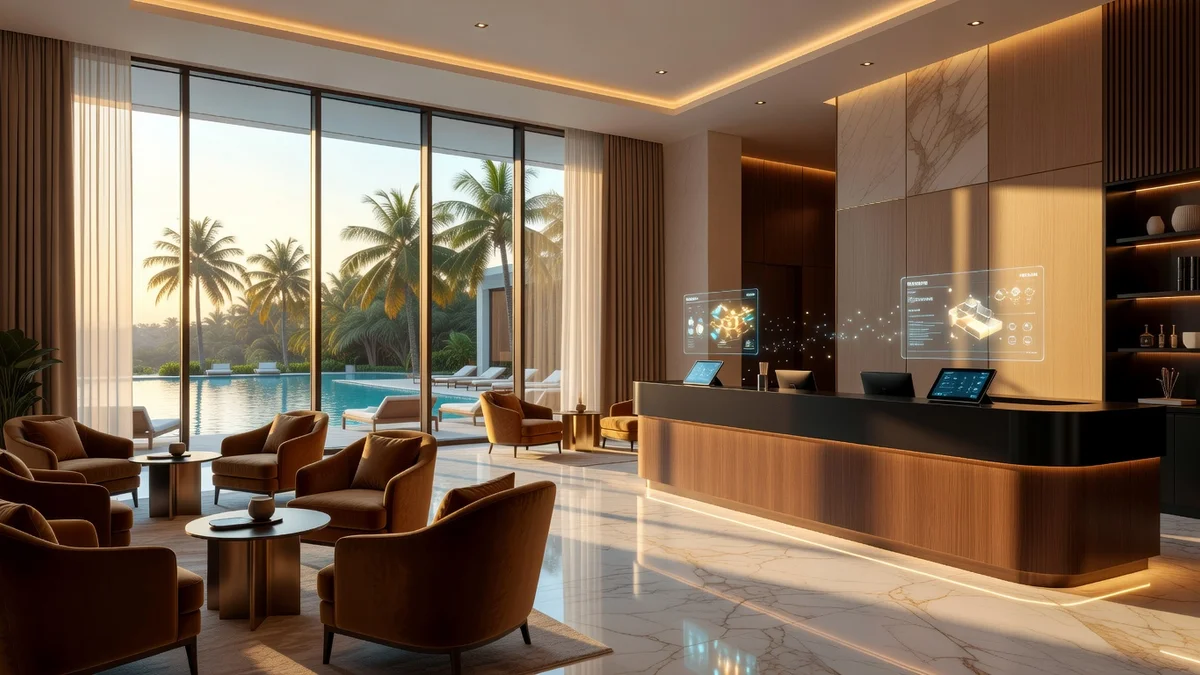
The Rise of Smart Hotel Technology: A Game-Changer for Hospitality
Imagine checking into a hotel where your room knows your preferences before you even arrive—lights dimmed just right, your favorite playlist streaming, and a virtual concierge ready to handle any request. This isn’t science fiction; it’s the reality of smart hotel technology that’s revolutionizing the hospitality industry. As hotel managers, campsite owners, and resort operators, staying ahead of these trends isn’t just about keeping up—it’s about thriving in a competitive market where guest expectations are higher than ever. In this post, we’ll explore the key smart hotel technology trends reshaping how we deliver unforgettable experiences, backed by practical examples, actionable advice, and real-world data.
According to a 2023 report by Statista, the global smart hospitality market is projected to reach $133 billion by 2028, growing at a CAGR of 26.5%. For hospitality professionals, embracing these innovations can boost guest satisfaction by up to 20% and operational efficiency by 15-25%, based on industry estimates from Deloitte. Let’s dive into the trends that are making waves.

Key Smart Hotel Technology Trends to Watch
The hospitality sector is evolving rapidly, with smart hotel technology at the forefront. These advancements aren’t just gadgets; they’re tools that enhance personalization, streamline operations, and promote sustainability. Here are the top trends every professional should consider.
AI-Powered Personalization and Guest Experience
Artificial intelligence is transforming guest interactions from generic to hyper-personalized. By analyzing data from past stays, booking patterns, and even social media, AI can tailor experiences that make guests feel truly valued.
- Voice-Activated Assistants: Devices like Amazon Alexa or Google Home in rooms allow guests to control lighting, temperature, and entertainment hands-free. For example, Hilton’s “Connected Room” lets guests use their smartphones as remotes.
- Predictive Analytics: Tools that forecast guest needs, such as suggesting spa treatments based on check-in times or weather forecasts.
- Chatbots and Virtual Concierges: 24/7 AI chat support for queries, reducing front-desk workload by 30%, per a Hospitality Net study.
Actionable Advice: Start small by integrating AI chatbots on your website and app. For campsite owners, use AI to recommend personalized outdoor activities based on guest profiles. Measure success with metrics like response time and guest feedback scores—aim for a 15% improvement in Net Promoter Scores (NPS).
IoT Integration for Seamless Operations
The Internet of Things (IoT) connects devices across your property, creating a network that automates tasks and gathers real-time data. This trend is particularly impactful for larger resorts and hotels, where efficiency can directly affect the bottom line.
IoT sensors can monitor everything from room occupancy to energy usage. A McKinsey report estimates that IoT could unlock $11.1 trillion in economic value by 2025, with hospitality reaping benefits through cost savings.
- Smart Locks and Keyless Entry: Guests use mobile apps to unlock doors, eliminating lost keys and enhancing security. Marriott has implemented this in over 1,000 properties, reducing check-in times by 50%.
- Energy Management Systems: Automated controls that adjust HVAC based on occupancy, potentially cutting energy costs by 20-30%.
- Inventory Tracking: For campsites, IoT can monitor supplies like firewood or amenities in real-time, preventing shortages.
Actionable Advice: Audit your property for IoT-ready areas, like installing smart thermostats in guest rooms. Partner with providers for scalable solutions, and train staff on data interpretation to optimize usage. Track ROI by comparing utility bills pre- and post-implementation.
“In the era of smart hotel technology, the key to success is not just adopting tools, but using them to create memorable, frictionless experiences.” – Hospitality Industry Expert
Contactless Solutions and Health-Focused Tech
Post-pandemic, contactless technology has become non-negotiable. From mobile check-ins to touchless payments, these innovations prioritize safety while improving convenience.
A 2022 survey by Oracle Hospitality found that 70% of travelers prefer contactless options, driving adoption rates sky-high.
- Mobile Apps for Everything: Apps that handle check-in, room service orders, and even virtual tours. Airbnb’s app, for instance, offers seamless experiences for vacation rentals.
- Biometric Systems: Facial recognition for faster access, used in high-end resorts to personalize greetings.
- UV Sanitization Robots: Autonomous devices that disinfect rooms, ensuring hygiene standards are met without manual labor.
For campsite owners, contactless tech can include app-based site reservations and digital maps for touch-free navigation.
Actionable Advice: Implement a unified mobile app that integrates with your PMS (Property Management System). Test it with a pilot group of guests and gather feedback to refine features. Aim to reduce physical interactions by 40%, which can lead to higher satisfaction ratings during health-conscious times.
Overcoming Challenges in Implementing Smart Hotel Technology
While the benefits are clear, adopting smart hotel technology comes with hurdles. Understanding these can help you navigate implementation smoothly.
Budget and ROI Considerations
Initial costs can be daunting, with setups ranging from $5,000 to $50,000 per property, depending on scale. However, ROI is often realized within 12-18 months through efficiency gains.
- Start with High-Impact Areas: Focus on revenue-generating tech like AI personalization before full-scale IoT.
- Seek Funding Options: Look into grants for sustainable tech or partnerships with vendors offering financing.
Actionable Advice: Conduct a cost-benefit analysis using tools like Excel models. For example, if smart locks save 10 hours of staff time weekly at $20/hour, that’s $10,400 in annual savings.
Data Privacy and Security
With great data comes great responsibility. Cyber threats are rising, with hospitality data breaches up 20% in 2023, according to IBM.
- Compliance with Regulations: Ensure GDPR or CCPA adherence for guest data.
- Secure Networks: Use encrypted Wi-Fi and regular audits.
Actionable Advice: Train your team on cybersecurity best practices and invest in robust firewalls. Regularly update software to patch vulnerabilities, and communicate your privacy policies transparently to build guest trust.
Staff Training and Adoption
Technology is only as good as the people using it. Resistance from staff can hinder success.
A Gallup study shows that well-trained employees are 21% more productive.
- Hands-On Workshops: Regular sessions on new tools.
- Incentivize Learning: Reward quick adopters with bonuses.
Actionable Advice: Create a phased rollout plan: Introduce one technology at a time, starting with user-friendly options like chatbots. Monitor adoption with surveys and adjust training accordingly.

Case Studies: Real-World Success with Smart Hotel Technology
Let’s look at practical examples to inspire your strategy.
Luxury Resort Transformation
A high-end resort in Bali integrated IoT and AI, resulting in a 25% increase in repeat bookings. By using predictive analytics, they anticipated guest needs, like pre-stocking minibars with preferred items.
Key Takeaway: Personalization drives loyalty—implement similar systems to boost your occupancy rates.
Campsite Innovation
A U.S. national park campsite adopted contactless check-ins via a mobile app, reducing wait times by 60% during peak seasons. IoT sensors monitored site usage, optimizing maintenance schedules.
Actionable Advice: For your campsite, integrate weather APIs into apps for real-time alerts, enhancing guest safety and satisfaction.
Boutique Hotel Efficiency Boost
A small hotel chain in Europe used smart energy systems, cutting utility costs by 28%. Guests appreciated the eco-friendly approach, leading to better online reviews.
These cases show that smart hotel technology scales to any operation size, delivering measurable results.
Future-Proofing Your Hospitality Business
Looking ahead, emerging trends like augmented reality (AR) for virtual property tours and blockchain for secure bookings will further shape the industry. By 2025, AR adoption in hospitality could reach 40%, per PwC estimates, offering immersive previews that convert browsers to bookers.
To stay competitive, regularly assess tech trends and align them with your business goals. Collaborate with experts to customize solutions that fit your unique needs.

Conclusion: Embrace Smart Hotel Technology for Lasting Success
The hospitality industry is at a pivotal moment, with smart hotel technology not just enhancing operations but redefining guest expectations. From AI-driven personalization to IoT efficiencies and contactless innovations, these trends offer tangible benefits like cost savings, improved satisfaction, and competitive edges. By implementing them thoughtfully—with practical steps like starting small, training staff, and measuring ROI—you can transform your hotel, campsite, or resort into a forward-thinking haven.
Ready to integrate these technologies seamlessly? At Jengu (jengu.ai), we specialize in AI automation tailored for the hospitality sector. Our solutions help streamline everything from guest interactions to operational workflows, ensuring you stay ahead. Contact us today to explore how we can customize smart tech for your property and elevate your guest experiences. Let’s reshape hospitality together.