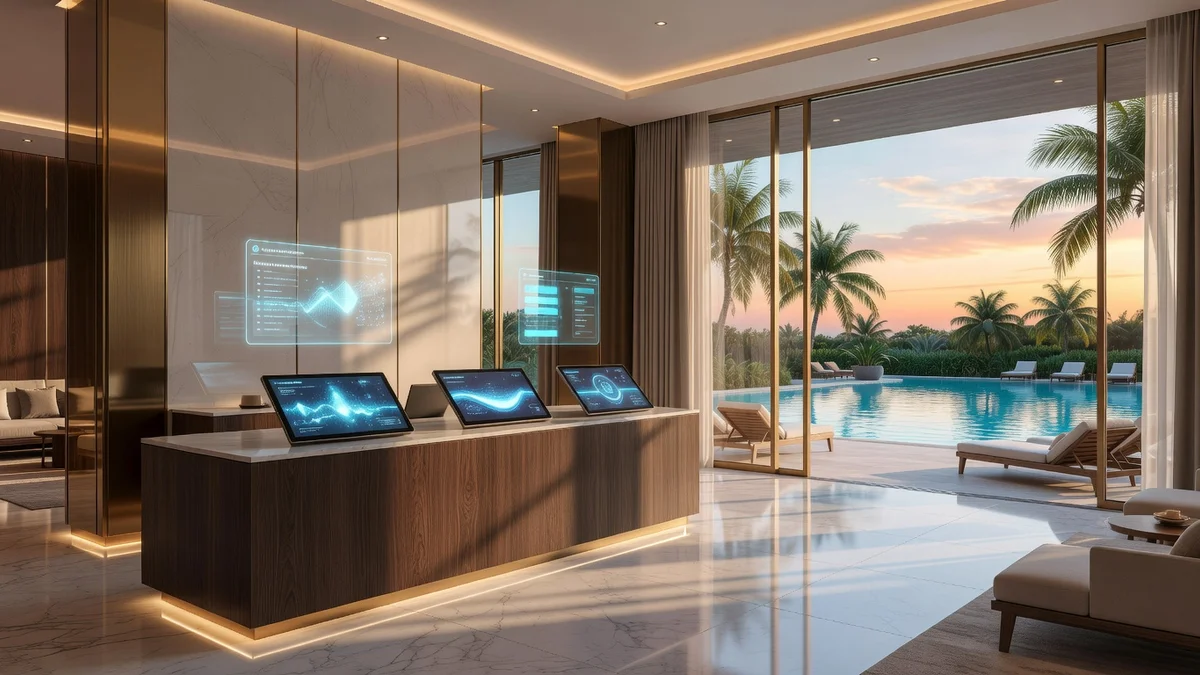
Revolutionizing Hospitality: The Rise of Restaurant AI Ordering
Imagine a bustling hotel restaurant where orders flow seamlessly from guest devices to the kitchen, personalized recommendations boost upsell opportunities, and staff focus on creating memorable experiences rather than juggling paperwork. In today’s fast-paced hospitality industry, restaurant AI ordering is transforming how hotels manage their dining operations, from in-house eateries to room service. As a hotel manager or campsite owner, you’re likely grappling with labor shortages, rising costs, and the demand for contactless experiences—especially post-pandemic. According to a 2023 report by Hospitality Technology, 68% of hoteliers are investing in AI to streamline operations, with ordering systems leading the charge. This blog post dives deep into how restaurant AI ordering can elevate your property, offering practical insights, examples, and actionable advice to get you started.

What is Restaurant AI Ordering?
At its core, restaurant AI ordering refers to artificial intelligence-powered systems that automate and enhance the food and beverage ordering process in hospitality settings. These aren’t just fancy apps; they’re intelligent platforms that use machine learning to predict guest preferences, optimize menus, and integrate with existing hotel management systems.
Think of it as a virtual concierge for dining. For hotel restaurants, this might involve QR code-based menus where guests scan and order directly from their phones. In room service scenarios, AI chatbots or voice assistants handle requests, suggesting add-ons based on past orders or dietary needs. Unlike traditional point-of-sale (POS) systems, AI adds a layer of intelligence—analyzing data in real-time to reduce wait times and minimize errors.
“AI isn’t replacing human touch in hospitality; it’s enhancing it by handling the mundane, so staff can focus on hospitality’s heart: genuine connections.” – Industry Expert
For campsite owners, where on-site cafes or food trucks are common, restaurant AI ordering can mean portable kiosks that suggest meals based on weather data or group sizes, turning a simple snack bar into a personalized experience.
Benefits of Implementing AI Ordering Systems in Hotels
Adopting restaurant AI ordering isn’t just a tech upgrade—it’s a strategic move that drives revenue and guest satisfaction. Let’s break down the key advantages with real-world implications for your operations.
Enhanced Efficiency and Cost Savings
Manual ordering processes are prone to errors, leading to wasted food and frustrated guests. AI systems can cut order processing time by up to 40%, according to estimates from McKinsey’s hospitality insights. For instance, in a mid-sized hotel with 200 rooms, this could translate to saving 10-15 hours of staff time per shift.
- Streamlined Kitchen Operations: AI routes orders directly to prep stations, prioritizing based on cook times.
- Inventory Management: Predictive analytics forecast demand, reducing overstock by 25% and minimizing spoilage.
- Labor Optimization: With fewer manual inputs, your team can handle peak hours without overtime, potentially lowering labor costs by 15-20%.
A practical example? A resort in Florida implemented AI for poolside ordering, reducing service delays from 15 minutes to under 5, boosting guest reviews on platforms like TripAdvisor.
Personalized Guest Experiences
Today’s travelers crave customization. Restaurant AI ordering uses data from loyalty programs and past stays to tailor suggestions—think recommending a vegan option for a returning guest or upselling a wine pairing based on their order history.
In room service, AI can integrate with smart room devices. A guest might say, “Order my usual breakfast,” and the system recalls their preferences, adding a note for extra cream in the coffee. Statistics show that personalized recommendations can increase average order value by 20-30%, per a Deloitte study on consumer behavior.
For campsite owners, imagine an AI system that suggests hearty campfire meals for families or light snacks for solo hikers, based on check-in data.
Contactless and Hygienic Solutions
Post-COVID, 75% of guests prefer touchless interactions, as reported by the American Hotel & Lodging Association. AI ordering via apps or voice eliminates physical menus and reduces staff-guest contact, enhancing safety without sacrificing service quality.
Actionable tip: Start small by piloting QR codes in your lobby cafe. Track metrics like order speed and guest feedback to scale up.

How AI Ordering Works for Room Service and In-House Restaurants
Understanding the mechanics of restaurant AI ordering demystifies its implementation. These systems typically integrate with your property management software (PMS) and POS, creating a seamless ecosystem.
Core Components of AI Ordering Systems
-
User Interfaces: Guests interact via mobile apps, in-room tablets, or voice assistants like Amazon Alexa. For example, a hotel chain like Marriott uses app-based ordering where guests browse dynamic menus with real-time availability.
-
AI Algorithms: Machine learning analyzes data points—order history, time of day, even local events—to suggest items. If a concert is nearby, the system might promote quick bites for pre-show diners.
-
Integration and Automation: Orders sync with kitchen displays, payment gateways, and inventory trackers. In room service, this means automated confirmations and ETAs sent via text.
-
Data Analytics: Post-order, AI generates reports on trends, helping you refine menus. A campsite resort could use this to spot popular items during peak seasons, adjusting stock accordingly.
Real-World Examples in Action
Consider a luxury resort in the Maldives: Their restaurant AI ordering system allows guests to order from beach cabanas via an app, with drones delivering small items. This not only wows guests but increases revenue by 18% through impulse buys.
For urban hotels, room service AI can handle multilingual requests, translating orders in real-time for international visitors. Actionable advice: Partner with platforms like Jengu.ai, which specialize in AI automation for hospitality, to customize these features without overhauling your tech stack.
In campsites, where connectivity might be spotty, offline-capable AI apps ensure orders go through, syncing when signal returns.
Actionable Steps to Implement Restaurant AI Ordering in Your Property
Ready to dive in? Here’s a step-by-step guide tailored for hotel managers and campsite owners. This process can be completed in 4-6 weeks with the right partner.
-
Assess Your Needs: Audit current ordering pain points. Survey staff and guests—do you have long wait times? High error rates? Use tools like Google Forms for quick insights.
-
Choose the Right System: Look for scalable solutions that integrate with your PMS (e.g., Oracle Opera or Lightspeed). Prioritize features like mobile compatibility and analytics dashboards.
-
Pilot a Test Run: Start with one area, like room service. Train a small team and monitor KPIs such as order accuracy (aim for 95%+) and upsell rates.
-
Train Your Team: Host workshops focusing on AI’s role in enhancing, not replacing, jobs. Emphasize how it frees up time for upselling or guest interactions.
-
Gather Feedback and Iterate: After launch, use Net Promoter Scores (NPS) to measure satisfaction. Adjust based on data—for instance, if guests complain about app navigation, simplify the interface.
-
Scale and Optimize: Expand to full restaurant operations. Integrate with loyalty programs for repeat business.
Potential roadblock: Budget constraints. Many AI providers offer subscription models starting at $500/month, with ROI visible in 3-6 months through efficiency gains.
Remember, successful implementation hinges on user adoption—make it intuitive for both guests and staff.
Overcoming Common Challenges with AI Ordering
No tech is without hurdles. Data privacy concerns top the list, with GDPR and similar regulations requiring secure handling of guest info. Solution: Choose compliant systems and transparently communicate data usage.
Integration issues? Work with vendors experienced in hospitality tech stacks. For smaller properties like campsites, cloud-based AI minimizes upfront costs.
Finally, resistance from staff: Frame AI as a tool that reduces burnout, backed by stats showing a 25% drop in employee turnover in AI-adopting hotels (Hospitality Net data).

The Future of Dining in Hospitality: Embrace Restaurant AI Ordering Today
In an industry where guest expectations evolve rapidly, restaurant AI ordering stands out as a game-changer, blending efficiency with personalization to drive loyalty and profits. From reducing operational costs to creating seamless experiences, it’s clear why 62% of hospitality leaders plan to invest in AI by 2025, per Statista. As a hotel manager or campsite owner, integrating these systems positions your property as forward-thinking and guest-centric.
If you’re ready to transform your dining operations, consider partnering with Jengu.ai. Our AI automation solutions are tailored for the hospitality sector, helping you implement restaurant AI ordering with minimal disruption and maximum impact. Contact us today to schedule a demo and see how we can elevate your guest experiences. What’s one step you’ll take this week to explore AI in your operations?