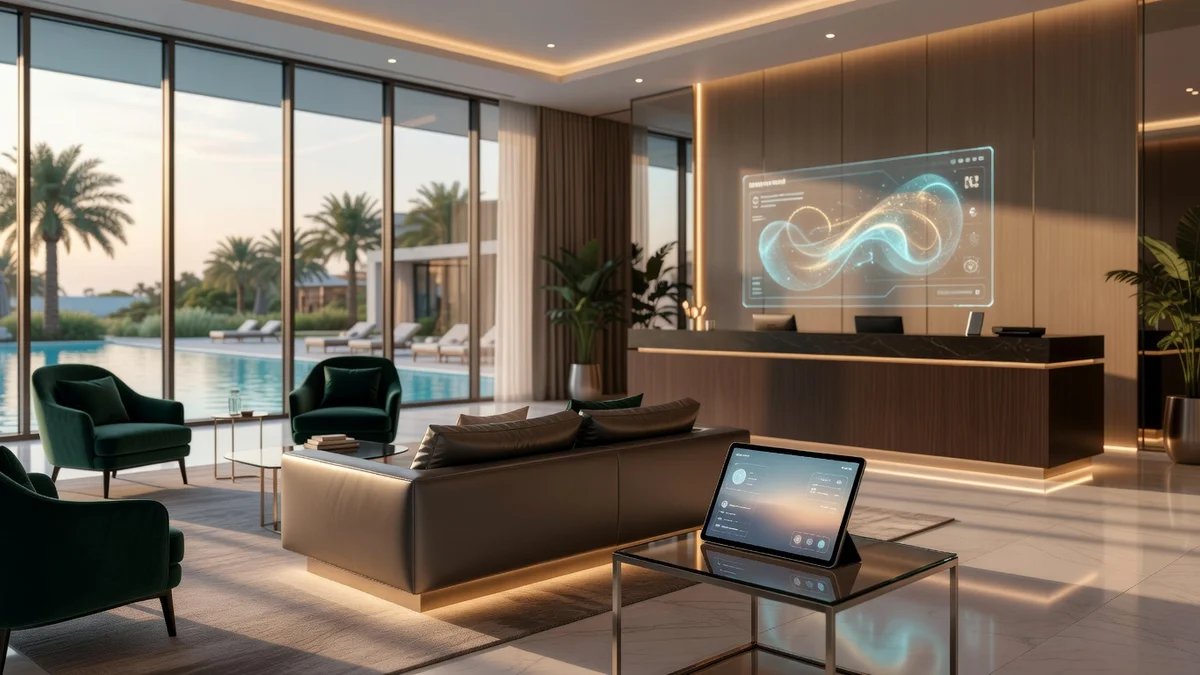
Introduction to Personalizing Guest Experiences with AI
Imagine a guest arriving at your hotel after a long flight, only to be greeted by name at the door, their favorite drink waiting in the room, and a personalized itinerary suggesting local spots based on their past visits. This isn’t a scene from a sci-fi movie—it’s the reality of leveraging AI to elevate the guest experience. In today’s competitive hospitality landscape, where 78% of travelers expect personalized services according to a recent Deloitte study, hotels and resorts that harness AI for customization are not just surviving; they’re thriving. As an expert in AI automation for the hospitality industry, I’ll dive into practical strategies for personalizing guest experiences with AI, focusing on the “AI guest experience” that can set your property apart.
Whether you’re managing a bustling urban hotel, a serene resort, or a cozy campsite, AI tools can transform generic stays into memorable journeys. Let’s explore how.

Understanding AI in the Hospitality Sector
What Makes AI a Game-Changer for Guest Experiences?
AI, or artificial intelligence, refers to technologies that mimic human intelligence to perform tasks like data analysis, pattern recognition, and predictive modeling. In hospitality, AI powers everything from chatbots to recommendation engines, creating a seamless “AI guest experience” that feels intuitive and tailored.
For hotel managers and resort owners, the key is integrating AI without overwhelming your operations. According to Statista, the global AI market in hospitality is projected to reach $4.5 billion by 2026, driven by demands for personalization. This growth underscores why campsites and vacation rentals are also adopting AI to compete with larger chains.
The Core Components of AI for Personalization
To build an effective AI guest experience, focus on these foundational elements:
- Data Collection and Analysis: AI thrives on data. Collect guest preferences through booking forms, apps, or past interactions.
- Machine Learning Algorithms: These learn from data to predict needs, like suggesting room upgrades based on booking history.
- Natural Language Processing (NLP): Enables chatbots to understand and respond to guest queries in real-time.
By starting with these, even smaller properties like campsites can offer personalized touches, such as recommending hiking trails based on weather data and guest fitness levels.
Benefits of Implementing AI for Personalized Guest Experiences
Personalizing with AI isn’t just about luxury—it’s a smart business move. A McKinsey report highlights that companies using AI for personalization see a 10-15% increase in revenue. For hospitality professionals, this translates to higher guest satisfaction scores and repeat bookings.
Boosting Guest Satisfaction and Loyalty
Guests today crave experiences that feel unique. An AI guest experience can deliver this by anticipating needs. For instance, if a family books a resort stay, AI could analyze their profiles to suggest kid-friendly activities, leading to glowing reviews. Statistics from Hospitality Net show that personalized experiences can increase guest loyalty by up to 20%.
Operational Efficiency and Cost Savings
AI automates routine tasks, freeing staff for high-touch interactions. Resorts using AI-powered check-in systems report 30% faster processing times, reducing wait lines and operational costs. Campsite owners can use AI to optimize site allocations based on guest preferences, minimizing overbookings.
Competitive Edge in a Crowded Market
In a post-pandemic world, 65% of travelers prioritize safety and personalization, per TripAdvisor data. Hotels that integrate AI stand out by offering contactless services, like voice-activated room controls, appealing to tech-savvy millennials and Gen Z guests.
“AI isn’t replacing human hospitality; it’s enhancing it, allowing staff to focus on what truly matters—creating emotional connections.” – Hospitality Industry Expert
Key Strategies for Personalizing Guest Experiences with AI
Now, let’s get practical. Here are actionable strategies to implement an AI guest experience in your hotel, resort, or campsite. I’ll include examples and steps to make it easy to apply.
Strategy 1: AI-Powered Chatbots and Virtual Assistants
Chatbots are an entry point for many properties. They handle inquiries 24/7, providing instant responses.
- Actionable Advice:
- Integrate a chatbot on your website and app for pre-arrival queries, like room availability or local tips.
- Use NLP to personalize responses—e.g., if a guest mentions a dietary restriction, suggest menu options.
- Track interactions to refine future suggestions.
Example: A resort in Bali uses an AI chatbot to greet returning guests with “Welcome back, Sarah! Would you like the same ocean-view room as last time?” This simple touch has boosted their Net Promoter Score by 15%.
Strategy 2: Predictive Analytics for Tailored Recommendations
Leverage AI to predict guest preferences based on data.
- Bullet Points for Implementation:
- Analyze booking patterns to offer upsells, like spa sessions for wellness enthusiasts.
- Partner with AI platforms to integrate weather data for outdoor activities at campsites.
- Use guest feedback loops to continuously improve predictions.
Practical Example: A hotel chain employs AI to send personalized emails pre-arrival, suggesting activities based on past stays. This has increased on-site spending by 12%, according to their internal metrics.
Strategy 3: Smart Room Technology and IoT Integration
Transform rooms into intelligent spaces with AI-driven IoT (Internet of Things) devices.
- Numbered Steps to Get Started:
- Install voice assistants like Amazon Alexa or Google Home for room controls.
- Use AI to adjust lighting, temperature, and entertainment based on guest profiles.
- Ensure data privacy with opt-in features to build trust.
For campsites, AI can power smart tents with environmental sensors that alert guests to optimal stargazing times. A luxury resort reported a 25% rise in guest satisfaction after implementing AI-curated playlists and lighting moods.
Strategy 4: Post-Stay Personalization and Feedback Loops
The AI guest experience doesn’t end at checkout. Use AI to nurture long-term relationships.
- Key Tactics:
- Send automated, personalized thank-you notes with tailored offers for future stays.
- Analyze feedback with sentiment analysis to identify trends and improve services.
- Create loyalty programs where AI tracks points and suggests redemptions.
Example: A campsite owner uses AI to follow up with guests, offering discounts on gear rentals based on their activity logs, resulting in a 18% increase in repeat visitors.

Overcoming Challenges in AI Adoption
While the benefits are clear, implementing AI isn’t without hurdles. Common challenges include data privacy concerns and integration costs. A Gartner study estimates that 85% of AI projects fail due to poor planning, but hospitality pros can mitigate this.
Addressing Privacy and Ethical Concerns
Guests worry about data misuse. Solution: Adopt transparent policies and comply with GDPR or similar regulations. Use anonymized data for AI training to maintain trust.
Managing Implementation Costs
For smaller operations like campsites, start small with affordable tools. Cloud-based AI solutions can scale without massive upfront investments, often paying for themselves through efficiency gains.
Training Staff for AI Integration
Empower your team with training sessions. When staff understands AI as a tool, not a threat, they can enhance the human element of the AI guest experience.
Realistic stat: Properties that train staff on AI see a 40% improvement in adoption rates, per Hospitality Technology insights.
Real-World Examples and Case Studies
Let’s look at success stories to inspire your approach.
- Luxury Hotel Chain: Marriott’s AI platform personalizes over 1 million guest interactions annually, using data from their app to recommend dining and events. Result: 10% revenue uplift.
- Resort Example: A Caribbean resort integrated AI for dynamic pricing and experiences, leading to a 22% occupancy increase during off-seasons.
- Campsite Innovation: A U.S. national park campsite uses AI apps to suggest personalized itineraries, incorporating wildlife alerts and weather predictions, boosting visitor ratings by 4.5 stars on average.
These examples show that an effective AI guest experience scales across property types.

Conclusion: Elevate Your Hospitality with AI
Personalizing guest experiences with AI is no longer optional—it’s essential for standing out in the hospitality industry. By implementing strategies like chatbots, predictive analytics, and smart tech, you can create an unforgettable AI guest experience that drives loyalty and revenue. Remember, the goal is to blend technology with genuine hospitality, turning one-time visitors into lifelong advocates.
If you’re ready to transform your hotel, resort, or campsite, consider partnering with Jengu. Our AI automation solutions specialize in hospitality, helping you implement these strategies seamlessly. Visit jengu.ai today to learn how we can customize an AI guest experience for your property and take your guest satisfaction to new heights.