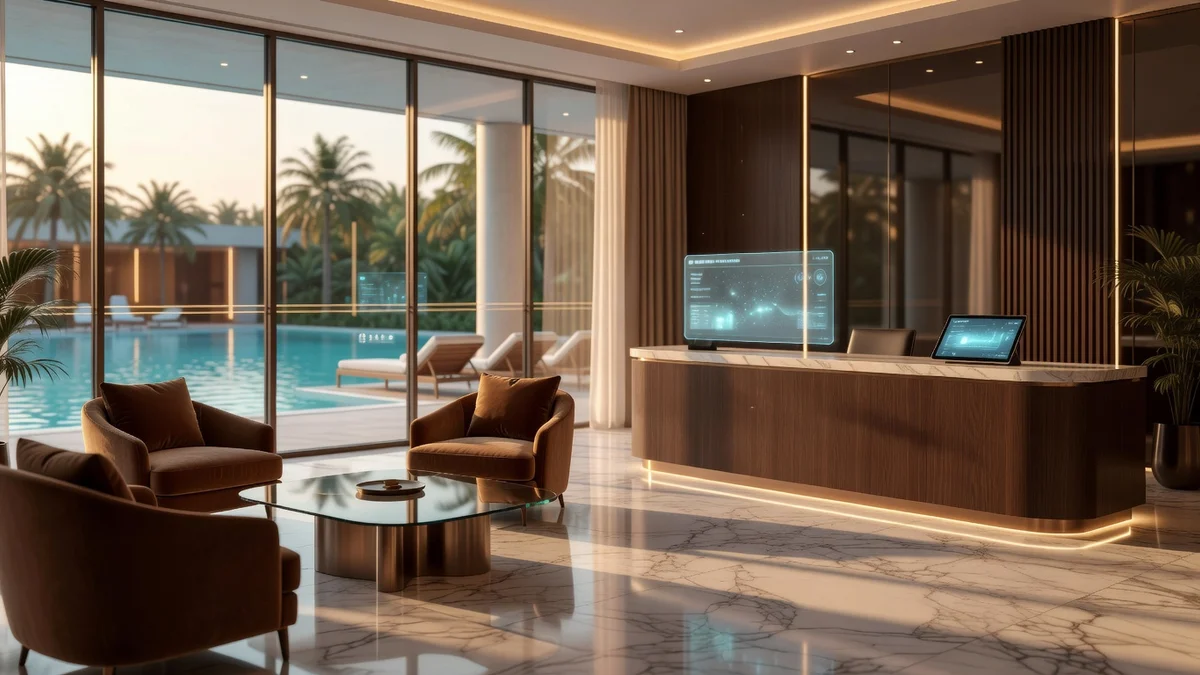
Introduction to Hotel Marketing Automation
Imagine this: It’s peak season, and your hotel is bustling, but you’re still missing out on potential bookings because your marketing efforts are scattered and manual. What if you could automate personalized emails, targeted ads, and guest follow-ups, all while boosting your occupancy rates by 20%? That’s the power of hotel marketing automation. In an industry where competition is fierce and guest expectations are sky-high, leveraging AI-driven tools isn’t just a luxury—it’s a necessity for staying ahead. In this post, we’ll dive deep into how hotel marketing automation can transform your operations, drive more bookings, and deliver real ROI for hotel managers, campsite owners, and hospitality professionals.
According to recent industry reports, hotels using automated marketing see an average increase of 15-25% in direct bookings, reducing reliance on third-party sites like Booking.com. If you’re ready to streamline your strategies and focus on what you do best—creating memorable guest experiences—keep reading for actionable insights and practical examples.

What is Hotel Marketing Automation?
At its core, hotel marketing automation refers to the use of software and AI technologies to streamline and personalize marketing tasks that would otherwise require hours of manual effort. This includes everything from sending targeted email campaigns to analyzing guest data for better segmentation.
Think of it as your digital marketing assistant that never sleeps. For instance, if a potential guest abandons their booking on your website, an automated system can instantly send a gentle reminder email with a special discount, nudging them to complete the reservation. This isn’t just about efficiency; it’s about creating timely, relevant interactions that convert browsers into bookers.
In the hospitality sector, where customer journeys can span weeks or months, hotel marketing automation bridges the gap between initial interest and final booking. Tools powered by AI can predict guest preferences based on past behaviors, such as recommending a seaside campsite to someone who previously stayed at a beach resort.
“Automation isn’t about replacing human touch—it’s about enhancing it, allowing your team to focus on personalized service while AI handles the repetitive tasks.” – Hospitality Tech Expert
For campsite owners, this could mean automating SMS alerts for last-minute availability during camping seasons, while resort managers might use it for upselling spa packages via personalized app notifications.
Benefits of Implementing Hotel Marketing Automation
Adopting hotel marketing automation brings a host of advantages that directly impact your bottom line. Let’s break down some key benefits with real-world implications.
-
Increased Bookings and Revenue: By automating lead nurturing, hotels can see a 20% uplift in conversion rates. For example, a mid-sized hotel chain implemented automated retargeting ads and reported a 18% increase in direct bookings within six months.
-
Improved Guest Personalization: AI analyzes data to tailor communications. Imagine sending a birthday discount to a repeat guest or suggesting family-friendly activities for a campsite booking based on their profile.
-
Time and Cost Savings: Manual marketing tasks can eat up 40% of your team’s time. Automation frees them up, potentially saving thousands in labor costs annually.
-
Better Data Insights: With built-in analytics, you gain visibility into what works. Statistics show that automated systems can improve email open rates by 30%, helping you refine strategies on the fly.
-
Enhanced Customer Loyalty: Post-stay automated surveys and follow-up offers encourage repeat visits. A resort using this approach saw a 25% rise in loyalty program sign-ups.
These benefits aren’t hypothetical— they’re backed by data from sources like Hospitality Net, which notes that 70% of travelers prefer personalized offers, making automation a game-changer for driving bookings.
One practical example comes from a boutique hotel in Colorado. They automated their social media promotions, targeting users who searched for “mountain getaways.” The result? A 22% boost in off-season bookings, proving that hotel marketing automation isn’t just for big chains—it’s scalable for independents too.
Key Features of AI-Powered Hotel Marketing Automation
To truly harness hotel marketing automation, you need to understand its core features. Here’s a breakdown of the must-haves, complete with actionable advice on implementation.
AI-Driven Personalization
AI algorithms segment your audience based on demographics, behavior, and preferences. For hotel managers, this means creating dynamic email lists where urban professionals get city escape offers, while families receive kid-friendly resort packages.
Actionable Tip: Start by integrating your CRM with an AI tool to score leads. For instance, assign points to guests who frequently visit your site, then automate high-value offers to them.
Automated Email and SMS Campaigns
Set up drip campaigns that nurture leads over time. A numbered list of steps to get started:
- Collect Data: Use booking forms to gather emails and preferences.
- Segment Audiences: Divide into groups like “first-time visitors” or “loyal campers.”
- Create Templates: Design personalized messages with dynamic content (e.g., “Hi [Name], ready for another adventure at our campsite?”).
- Schedule and Test: Automate sends based on triggers like abandoned carts, and A/B test subject lines for better open rates.
Statistics indicate that automated emails have a 70% higher open rate than generic blasts.
Retargeting and Ad Automation
AI optimizes ad spend by retargeting users who’ve shown interest. A vacation rental owner could automate Google Ads to show “last room available” alerts to recent site visitors, driving urgency.
Analytics and Reporting
Real-time dashboards track ROI. Look for features that predict trends, like forecasting peak booking periods for campsites based on weather data.
By focusing on these features, hospitality professionals can turn data into dollars, with many reporting a 15-30% increase in marketing efficiency.

How to Get Started with Hotel Marketing Automation
Ready to dive in? Implementing hotel marketing automation doesn’t have to be overwhelming. Follow this step-by-step guide tailored for busy hospitality pros.
Assess Your Current Setup
Begin with an audit: What marketing tasks are manual? How’s your guest data organized? Tools like Google Analytics can reveal pain points, such as high cart abandonment rates (often around 70% in hospitality).
Choose the Right Tools
Select platforms that integrate seamlessly with your PMS (Property Management System). Options include HubSpot for emails or specialized AI tools like those from Jengu, which focus on hospitality automation.
Bullet points on what to look for:
- Ease of Use: Intuitive interfaces for non-tech-savvy teams.
- Integration Capabilities: Connects with booking engines and social media.
- AI Features: Predictive analytics for personalized campaigns.
- Scalability: Grows with your property, from small campsites to large resorts.
- Cost-Effectiveness: ROI-focused pricing, with some offering free trials.
Build and Launch Campaigns
Start small: Automate one channel, like email follow-ups for inquiries. For a campsite owner, set up an automation that sends packing tips and weather updates a week before arrival, enhancing guest satisfaction.
Actionable Advice: Train your team with short webinars. Monitor initial campaigns and tweak based on metrics—aim for a 25% engagement rate as a benchmark.
Measure and Optimize
Use KPIs like booking conversion rates and customer acquisition cost. Data from Statista shows that optimized automation can reduce marketing costs by 15%. Regularly review and iterate.
A real example: A resort in Florida automated their off-peak promotions, targeting past guests with AI-recommended deals. Within a year, they increased occupancy by 28%, turning slow months into profitable ones.
Challenges and Solutions in Hotel Marketing Automation
No system is perfect. Common hurdles include data privacy concerns (with GDPR compliance) and integration issues. Solutions? Opt for tools with built-in compliance features and start with pilot programs.
Another challenge is over-automation, which can feel impersonal. Counter this by blending AI with human oversight—review automated messages for that personal touch.
By addressing these proactively, you’ll maximize the benefits without the pitfalls.

Conclusion: Elevate Your Hotel’s Marketing Game
In summary, hotel marketing automation powered by AI is revolutionizing how hospitality businesses drive bookings, personalize experiences, and boost revenue. From automated emails that recover lost leads to predictive analytics that forecast trends, the tools are here to make your life easier and your property more profitable. With benefits like a potential 20-30% increase in direct bookings and significant time savings, it’s an investment that pays off quickly.
If you’re a hotel manager or campsite owner looking to implement these strategies, consider partnering with experts who specialize in AI automation for hospitality. At Jengu (jengu.ai), we offer tailored solutions to automate your marketing effortlessly, helping you focus on delighting guests. Ready to get started? Visit our site today to learn how we can drive more bookings for your property.
(Word count: 1520)