Hotel Energy Management AI: Reducing Operating Costs
Expert insights on hotel energy management AI for hospitality businesses
The Hidden Energy Drain in Hospitality Operations
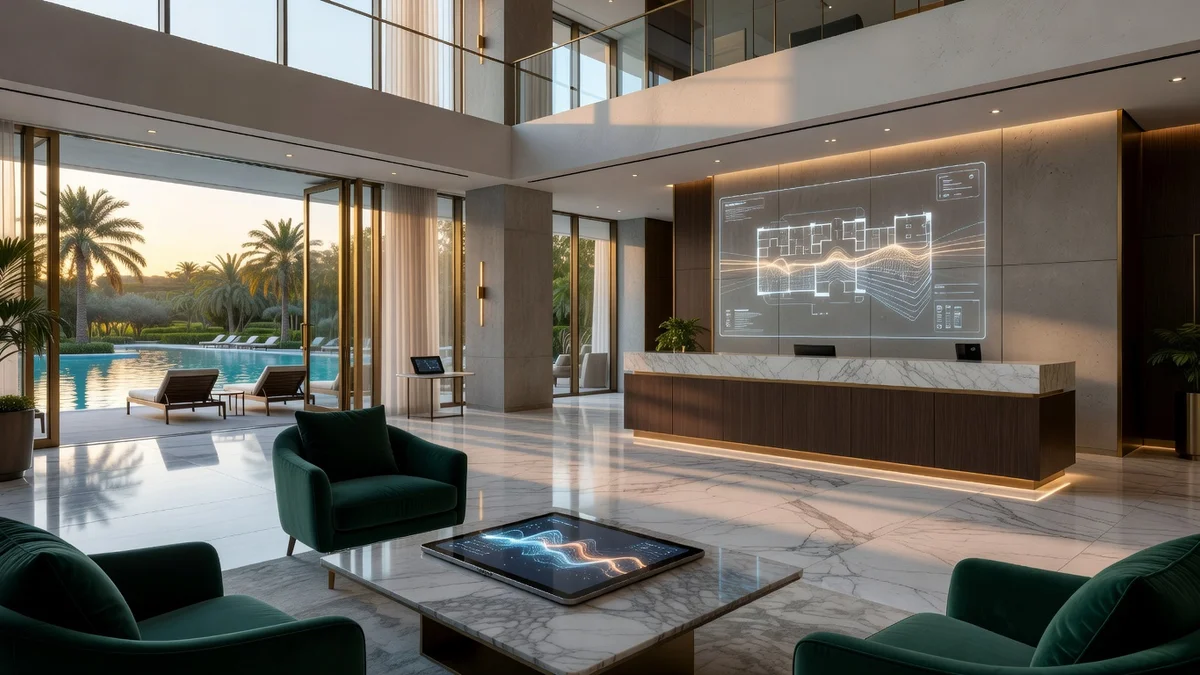
Energy bills are quietly eating into hotel profits, often accounting for 15-25% of total operating expenses. With rising utility rates and increasing guest expectations for comfort, hospitality professionals are searching for smarter solutions. This is where hotel energy management AI steps in, transforming how properties monitor, predict, and optimize consumption without compromising guest experience.

Why Traditional Energy Management Falls Short
Most hotels still rely on manual controls, scheduled HVAC systems, and basic thermostats. These approaches lack the ability to adapt in real time to occupancy changes, weather shifts, or guest behavior patterns. A fixed schedule might keep the lobby cool at 3 a.m. when no one is there, or fail to adjust when a conference room fills up unexpectedly.
Hotel energy management AI changes this by continuously analyzing data from multiple sources—occupancy sensors, weather forecasts, booking systems, and even historical usage trends. The result is dynamic, predictive control rather than reactive adjustments.
How AI-Driven Energy Systems Work in Practice
AI platforms connect to existing building management systems and add layers of intelligence. They learn the unique energy signature of each property and make micro-adjustments throughout the day.
Key Capabilities Include:
- Predictive HVAC optimization – Adjusting temperatures based on expected check-ins and check-outs
- Smart lighting control – Dimming or turning off lights in unoccupied areas while maintaining safety standards
- Water heating efficiency – Pre-heating water during off-peak rate periods
- Equipment maintenance alerts – Flagging inefficiencies before they become costly repairs
For example, a 200-room resort in coastal Spain implemented hotel energy management AI and reduced HVAC energy use by 22% in the first year by predicting occupancy spikes during holiday weekends and pre-cooling only occupied wings.
Real-World Results Across Different Property Types
Campsite owners and boutique hotel managers are seeing similar benefits. One mid-size campsite with 80 glamping units used AI to manage solar-powered lighting and water pumps, cutting monthly energy costs by 31%. The system automatically reduced power draw during low-occupancy weekdays and ramped up only when bookings increased.
Larger resorts report even bigger gains. Properties using advanced AI solutions typically achieve:
- 15–30% reduction in overall energy consumption
- 10–18% lower peak demand charges
- Faster ROI, often within 12–18 months
Actionable Steps to Get Started
Implementing hotel energy management AI doesn’t require ripping out existing infrastructure. Follow these practical steps:
- Conduct an energy audit – Identify the top three energy consumers (usually HVAC, lighting, and water heating).
- Install smart sensors – Focus first on high-traffic areas like lobbies, conference rooms, and guest corridors.
- Integrate with existing systems – Choose AI platforms that connect with your property management system and current BMS.
- Set clear parameters – Define comfort ranges for different guest segments (families vs. business travelers).
- Monitor and refine – Review monthly dashboards and allow the AI to continue learning from new data.
Start small with one building or floor before scaling across the entire property.
Overcoming Common Implementation Concerns
Many managers worry about upfront costs or guest comfort disruption. Modern AI solutions address both issues. Most platforms offer subscription models with no large capital investment, and guest comfort actually improves because rooms reach ideal temperatures faster when occupancy is accurately predicted.
Staff training is minimal—usually just a few hours—since the system runs autonomously after setup. The biggest shift is moving from reactive maintenance to proactive optimization.
The Competitive Advantage of Smarter Energy Use
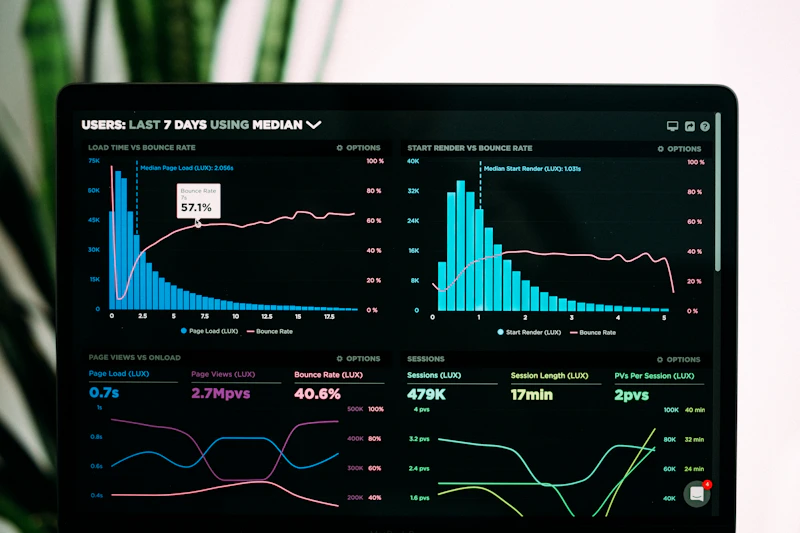
Beyond direct cost savings, properties using hotel energy management AI gain marketing advantages. Guests increasingly prefer eco-conscious hotels, and many booking platforms now highlight sustainability credentials. Lower operating costs also free up budget for guest experience improvements that drive better reviews and repeat bookings.
Moving Forward with Confidence
Energy management no longer needs to be a constant operational headache. With AI handling the complexity, hotel and campsite managers can focus on what matters most—delivering exceptional stays while protecting margins.
Jengu’s AI automation solutions are specifically designed for hospitality properties looking to reduce energy costs intelligently. Their platform integrates seamlessly with existing systems and delivers measurable results within the first quarter. If you’re ready to explore how smart energy management can transform your property’s bottom line, reach out to the Jengu team for a personalized assessment.