Event Venue AI Management for Hotel Conferences
Expert insights on event venue AI management for hospitality businesses
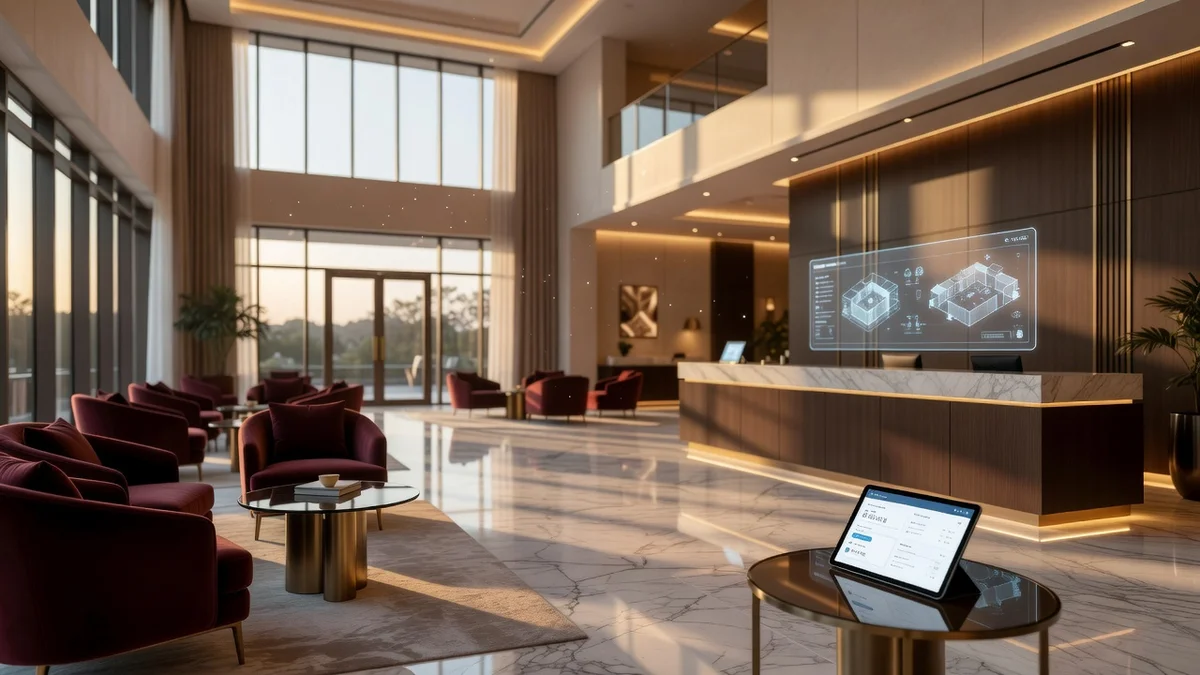
The hospitality industry is evolving rapidly, and managing event spaces and conferences has become a complex juggling act for hotels, resorts, and campsites. With rising guest expectations and tighter margins, traditional manual processes simply can’t keep pace. That’s where event venue AI management steps in, offering intelligent solutions that streamline operations, boost revenue, and deliver seamless experiences.
Why Event Spaces Need Smarter Management
Hotel event venues generate significant revenue but also present unique challenges. Double bookings, fluctuating demand, and last-minute changes can quickly erode profits. According to recent industry data, venues lose an estimated 15-20% of potential revenue annually due to inefficient scheduling and underutilized spaces.
Event venue AI management transforms these pain points by leveraging machine learning to predict demand, optimize layouts, and automate coordination. For hotel managers and campsite owners overseeing conference halls, ballrooms, or outdoor meeting areas, these tools reduce administrative burden while increasing booking accuracy.

Core Features of AI-Powered Event Venue Tools
Modern platforms combine several capabilities that directly address the needs of hospitality professionals. Here are the most impactful areas:
Intelligent Space Optimization
AI analyzes historical booking data, seasonal trends, and real-time inquiries to recommend optimal room configurations. Instead of relying on spreadsheets, the system suggests:
- Maximum capacity layouts based on event type
- Dynamic pricing adjustments during peak periods
- Cross-venue recommendations when primary spaces are unavailable
This approach has helped mid-sized hotels increase space utilization by up to 30%.
Automated Booking and Conflict Resolution
One of the biggest headaches in event management is handling overlapping requests. AI systems flag potential conflicts instantly and propose alternatives, including hybrid setups that combine in-person and virtual attendance. For campsites managing both indoor meeting rooms and outdoor pavilions, this level of automation prevents costly mistakes.
Attendee Experience Personalization
Beyond logistics, event venue AI management platforms track guest preferences to customize everything from seating arrangements to catering suggestions. When a corporate client books recurring conferences, the system remembers dietary requirements and preferred AV setups, creating a more tailored experience without extra staff effort.
Practical Implementation Steps
Getting started with AI doesn’t require a complete system overhaul. Follow this structured approach:
- Audit your current processes – Identify the most time-consuming tasks, such as manual calendar updates or follow-up emails.
- Choose integrated solutions – Select tools that connect with your existing property management system (PMS) and website booking engine.
- Train your team – Focus on how staff can interpret AI recommendations rather than replacing human judgment.
- Measure key metrics – Track booking conversion rates, average revenue per event, and staff hours saved.
Many properties begin with a pilot on their largest conference space before expanding to smaller meeting rooms or outdoor areas.
Real-World Results from Hospitality Venues
Properties using advanced event venue AI management report measurable improvements. One resort chain reduced no-show rates by 22% after implementing predictive reminders and automated rescheduling. Another hotel group saw a 35% increase in upselling opportunities by using AI to identify events likely to need additional breakout rooms or AV equipment.
These gains come from the system’s ability to process thousands of data points that humans simply cannot track manually.

Overcoming Common Adoption Challenges
Some managers hesitate due to concerns about cost or complexity. However, most modern platforms offer tiered pricing that scales with venue size. Start with core features like automated scheduling before adding advanced analytics.
Data privacy also requires attention. Ensure any AI tool complies with GDPR and hospitality-specific regulations, especially when handling attendee information.
Looking Ahead: The Future of Venue Operations
As AI capabilities continue to advance, expect deeper integration with voice assistants, real-time occupancy sensors, and even sustainability tracking. Venues that adopt these tools early will gain a competitive edge in attracting both corporate clients and leisure groups seeking reliable, tech-enabled experiences.
Conclusion
Effective management of hotel event spaces requires more than spreadsheets and phone calls. By embracing event venue AI management, hospitality professionals can reduce operational friction, increase revenue, and deliver the high-quality experiences today’s clients expect.
Jengu specializes in AI automation tailored specifically for hotels, campsites, and resorts. Their solutions help properties implement smart event management without disrupting existing workflows. If you’re ready to modernize your venue operations, explore how Jengu can support your goals.