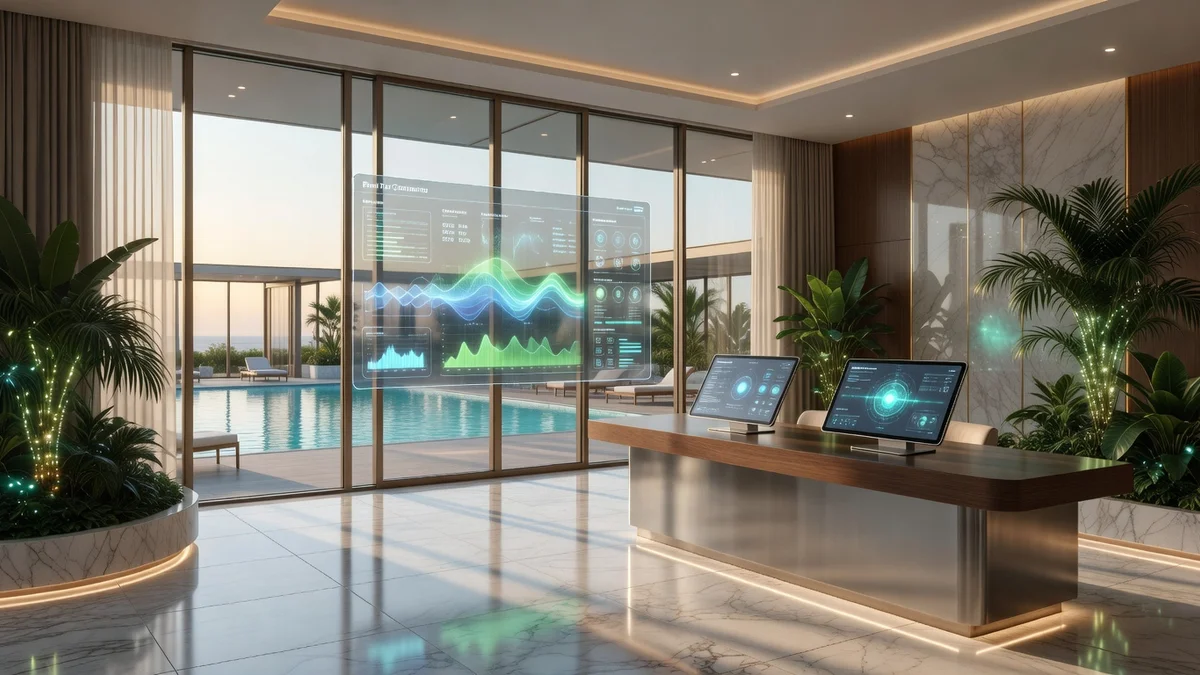
The Rising Challenge of Hotel Energy Costs and the AI Solution
Imagine this: You’re a hotel manager juggling occupancy rates, guest satisfaction, and a skyrocketing utility bill that seems to climb higher each month. In an industry where margins are tight, energy costs can eat up to 10% of your operating budget—sometimes even more for larger properties. But what if there was a way to slash those costs without compromising guest comfort? Enter hotel energy management AI, a game-changing technology that’s helping hospitality professionals like you optimize energy use intelligently. In this post, we’ll dive into how AI can transform your operations, reduce expenses, and even boost sustainability. Whether you’re running a boutique hotel, a sprawling resort, or a cozy campsite, these insights are tailored for you.

Understanding Hotel Energy Management AI
At its core, hotel energy management AI refers to artificial intelligence systems designed to monitor, analyze, and optimize energy consumption in hospitality settings. Unlike traditional energy management, which often relies on manual adjustments or basic timers, AI leverages data from sensors, smart devices, and even weather forecasts to make real-time decisions.
Why Energy Management Matters in Hospitality
The hospitality industry is energy-intensive. According to the U.S. Energy Information Administration, hotels and motels account for about 6% of total commercial building energy use in the U.S., with heating, cooling, and lighting being the biggest culprits. For campsite owners, the challenges might include powering RVs, outdoor lighting, and communal facilities—often in remote areas where energy efficiency is crucial for cost control and environmental impact.
Statistics paint a clear picture: A study by the American Hotel & Lodging Association estimates that the average hotel spends around $2,200 per room annually on energy. That’s a hefty sum, especially when multiplied across hundreds of rooms. Implementing hotel energy management AI can reduce these costs by 15-30%, based on reports from energy tech firms like Schneider Electric.
Key Components of AI-Driven Systems
AI doesn’t work in isolation; it’s built on a foundation of integrated technologies. Here’s a breakdown:
- Sensors and IoT Devices: These track room occupancy, temperature, and energy usage in real-time.
- Machine Learning Algorithms: AI learns from patterns, predicting peak usage times and adjusting systems accordingly.
- Integration with Existing Infrastructure: Compatible with HVAC systems, lighting controls, and even smart thermostats like Nest or Ecobee.
By automating these elements, AI ensures energy is used only when and where it’s needed, minimizing waste without human intervention.
Benefits of AI for Reducing Hotel Operating Costs
Adopting hotel energy management AI isn’t just about going green—it’s a smart financial move. Let’s explore the tangible benefits that can directly impact your bottom line.
Cost Savings Through Predictive Optimization
One of the standout advantages is predictive analytics. AI can forecast energy needs based on historical data, occupancy rates, and external factors like weather. For instance, if a heatwave is approaching, the system might pre-cool rooms during off-peak hours when electricity rates are lower, potentially saving 20% on cooling costs alone.
In a real-world scenario, a mid-sized hotel chain reported a 25% reduction in energy bills after implementing AI, according to a case study by Honeywell. For campsite owners, AI could optimize solar panel usage or generator run times, cutting fuel costs by up to 15%.
Enhanced Guest Comfort and Satisfaction
Worried that saving energy means skimping on amenities? AI ensures the opposite. By maintaining optimal temperatures and lighting based on guest preferences (gleaned from past stays), it enhances comfort. Happy guests lead to better reviews and repeat business—key for hospitality pros.
Sustainability and Regulatory Compliance
With increasing pressure from eco-conscious travelers and regulations like the EU’s Green Deal, AI helps you meet sustainability goals. It can track carbon footprints and suggest improvements, positioning your property as a green leader. Plus, many regions offer incentives for energy-efficient upgrades, further offsetting implementation costs.
“AI isn’t just a tool; it’s a strategic partner in making hospitality more efficient and sustainable.” – Industry Expert
How AI Works in Practice for Hotel Energy Management
Now that we’ve covered the why, let’s get into the how. Hotel energy management AI operates through a cycle of data collection, analysis, and action.
Step-by-Step Process
- Data Collection: Sensors gather info on energy use, room occupancy (via motion detectors or keycard systems), and environmental conditions.
- Analysis and Prediction: AI algorithms process this data, identifying inefficiencies like lights left on in empty rooms or overactive HVAC systems.
- Automated Adjustments: The system makes changes, such as dimming lights or adjusting thermostats, often integrated with building management software.
- Reporting and Insights: Generate reports showing savings and areas for improvement, empowering managers to make informed decisions.
Real-Life Examples in Hospitality
Consider a luxury resort in Florida using AI to manage pool heating. By analyzing weather data and guest schedules, the system heats the pool only during high-usage periods, saving thousands in energy costs annually.
For a campsite in the Rockies, AI could integrate with smart meters to monitor RV hookups, automatically shutting off power to unused sites and preventing overloads during peak seasons.
In urban hotels, AI has been used to optimize elevator energy by predicting traffic patterns, reducing wait times and electricity use by 10-15%.

Actionable Advice for Implementing AI Energy Management
Ready to take the plunge? Here’s practical, step-by-step advice to get started with hotel energy management AI in your property.
Assess Your Current Energy Usage
Start with an audit:
- Review utility bills for the past year to identify peak consumption periods.
- Use free tools like the EPA’s ENERGY STAR Portfolio Manager to benchmark your property against similar ones.
Choose the Right AI Solution
Not all systems are created equal. Look for:
- Scalability: Ensure it fits your property size, from small campsites to large resorts.
- Integration: Compatible with your existing PMS (Property Management System) and IoT devices.
- User-Friendly Interface: Dashboards that provide easy-to-understand insights.
Providers like Siemens or custom solutions from AI firms can be great starting points.
Implementation Tips
- Start Small: Pilot the system in one area, like guest rooms or common areas, to measure ROI before full rollout.
- Train Your Team: Educate staff on how AI works to avoid overrides that could undermine savings.
- Monitor and Optimize: Set KPIs, such as a 20% reduction in energy use within six months, and adjust based on data.
For campsite owners, focus on outdoor applications:
- Integrate AI with solar inverters to maximize renewable energy.
- Use weather APIs to predict and prepare for energy demands during events.
Potential Challenges and Solutions:
- High Initial Costs: Offset with grants or financing options; payback periods are often 1-3 years.
- Data Privacy: Choose systems compliant with GDPR or similar standards to protect guest info.
- Technical Glitches: Partner with reliable vendors offering 24/7 support.
By following these steps, you could see significant savings. For example, a 100-room hotel implementing AI might save $20,000-$50,000 annually, based on industry averages.
Overcoming Common Myths About AI in Energy Management
Before we wrap up, let’s debunk a few misconceptions that might hold you back.
- Myth: AI is Too Complicated for Small Properties – Reality: User-friendly platforms make it accessible even for boutique hotels or campsites.
- Myth: It Reduces Jobs – Reality: AI handles mundane tasks, freeing staff for guest-focused roles.
- Myth: Savings Are Minimal – Reality: With proper implementation, reductions of 20-40% are achievable, per Deloitte reports.

Conclusion: Power Up Your Savings with AI
In today’s competitive hospitality landscape, hotel energy management AI is more than a trend—it’s a necessity for cutting costs, enhancing efficiency, and appealing to eco-aware guests. From predictive optimizations to real-time adjustments, AI empowers you to run a leaner, greener operation without sacrificing quality.
If you’re ready to explore how AI can revolutionize your energy strategy, consider partnering with experts like Jengu. Our AI automation solutions, tailored for hotels, campsites, resorts, and vacation rentals, help streamline operations and drive real savings. Contact us today to learn more about implementing smart energy management in your property—let’s make your business more efficient together.