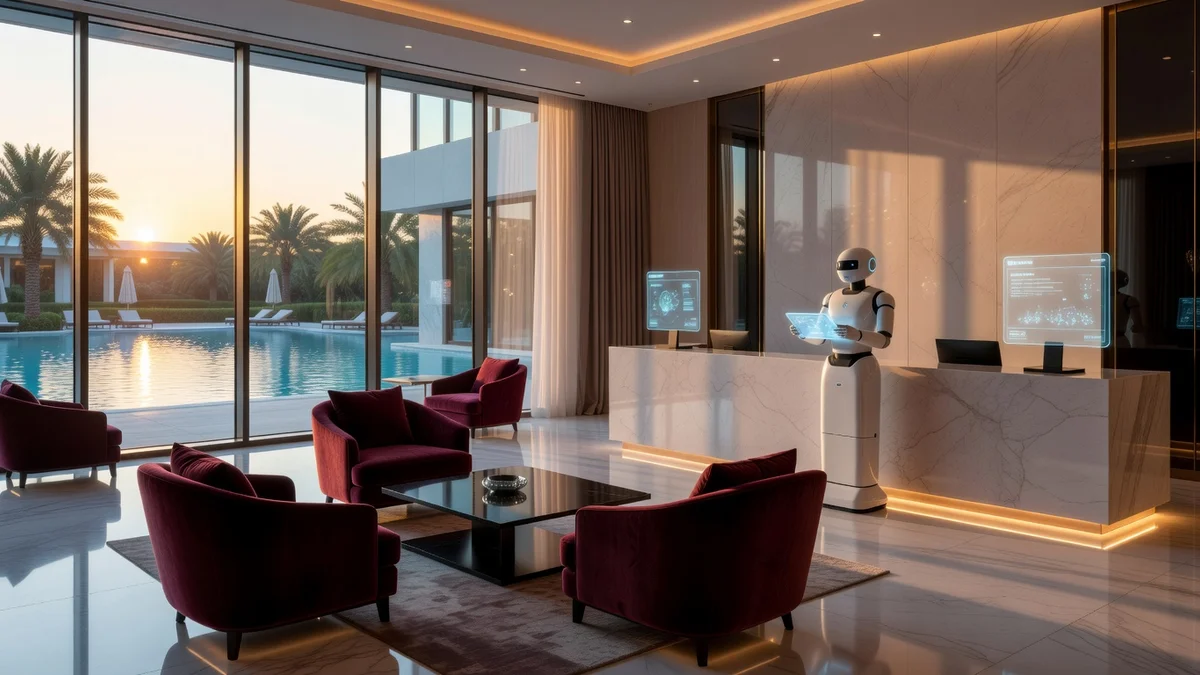
The Rise of Hotel Customer Service Automation
Imagine a guest arriving at your hotel after a long flight, only to find their room isn’t ready. In the past, this might have led to a frustrating wait at the front desk. But what if an AI-powered chatbot could instantly check availability, offer a complimentary upgrade, and even send a digital key to their phone? This is the power of hotel customer service automation—streamlining operations while keeping guests happy. In an industry where personalized experiences are king, automation isn’t about replacing humans; it’s about enhancing them. According to a 2023 Hospitality Technology report, 68% of hoteliers plan to invest in automation tools this year, driven by labor shortages and rising guest expectations. But how do you automate without losing that warm, human touch that defines hospitality? Let’s dive in.

Why Automate Hotel Customer Service?
In the fast-paced world of hospitality, customer service is the heartbeat of your operation. From check-ins to concierge requests, every interaction shapes a guest’s perception. Yet, with staffing challenges—think the Great Resignation’s lingering effects—many hotels, campsites, and resorts are turning to automation to fill the gaps. A study by Deloitte estimates that automation can reduce response times by up to 50%, allowing your team to focus on high-value tasks like personalized recommendations or handling complex issues.
But automation isn’t just a band-aid; it’s a strategic move. For hotel managers, it means handling routine inquiries 24/7 without overtime costs. Campsite owners can automate booking confirmations and weather updates, while resort operators use it for activity scheduling. The key is integrating hotel customer service automation in a way that feels seamless and supportive, not robotic.
Here are some compelling reasons to consider it:
- Efficiency Gains: Automate repetitive tasks like answering FAQs, freeing staff for meaningful interactions.
- Cost Savings: Reduce labor expenses by 20-30%, per industry benchmarks from McKinsey.
- Improved Guest Satisfaction: Faster responses lead to higher Net Promoter Scores (NPS), with automated systems boosting satisfaction by 15% in some cases.
- Scalability: Handle peak seasons effortlessly, whether it’s a busy summer at your campsite or a conference rush at your hotel.
Of course, the fear is that automation might make service feel impersonal. That’s why the focus should always be on augmentation, not replacement.
Balancing Automation with the Human Touch
The magic of hospitality lies in human connection— that genuine smile from a concierge or a thoughtful gesture from housekeeping. So, how do you introduce hotel customer service automation without eroding this essence? It’s all about thoughtful implementation. Start by identifying tasks that are rule-based and low-emotion, like reservation confirmations or directions to amenities. Leave the empathetic, nuanced interactions—such as dealing with a lost item or a special anniversary request—for your human team.
Consider this real-world example: A boutique hotel in Miami implemented an AI chatbot for check-in queries. The bot handled 70% of inquiries, but it was programmed to escalate emotional or complex issues to a live agent with a warm handoff message like, “I’m connecting you to Sarah, our guest relations expert—she’s great at sorting this out!” This hybrid approach maintained the human touch, resulting in a 25% increase in positive reviews mentioning “helpful staff.”
Actionable advice for hospitality professionals:
- Audit Your Processes: List all customer service touchpoints and categorize them as automatable (e.g., room service orders) or human-only (e.g., complaint resolution).
- Train Your AI: Use tools that learn from past interactions to provide personalized responses, mimicking human empathy.
- Monitor and Iterate: Regularly review automation performance with metrics like resolution time and guest feedback to ensure it enhances, rather than hinders, the experience.
Remember, guests crave authenticity. A 2022 survey by American Express found that 86% of travelers value personalized service over speed alone. By blending tech with humanity, you create a service model that’s efficient yet heartfelt.
Technologies Powering Hotel Customer Service Automation
Diving deeper, several technologies are revolutionizing how hotels automate service. Chatbots and virtual assistants, powered by natural language processing (NLP), can converse like humans, understanding slang and context. For instance, a resort might use a voice-activated system in rooms for requests like “Dim the lights” or “Book a spa session.”
AI-driven CRM systems integrate with your property management software to anticipate needs—sending a proactive message about pool hours based on a guest’s check-in time. Predictive analytics can even flag potential issues, like alerting staff if a guest’s flight is delayed.
For campsite owners, automation might mean SMS bots for trail updates or automated check-out reminders, reducing no-shows by 40%, according to anecdotal data from outdoor hospitality forums.
Key technologies to explore:
- Chatbots and Messaging Apps: Integrate with WhatsApp or your hotel app for instant queries.
- Voice Assistants: Like Amazon Alexa in rooms for hands-free service.
- Automated Email and SMS: For confirmations, upsell offers, and feedback requests.
- AI Analytics: Tools that analyze guest data to personalize interactions without invading privacy.
When selecting tools, prioritize those with easy integration and strong data security to comply with regulations like GDPR.

Implementing Hotel Customer Service Automation: A Step-by-Step Guide
Ready to get started? Implementing hotel customer service automation doesn’t have to be overwhelming. Follow this practical guide tailored for hotel managers, campsite owners, and resort operators.
Step 1: Assess Your Needs
Begin with a thorough assessment. Survey your team and guests to identify pain points. For example, if late-night inquiries are a bottleneck, prioritize 24/7 chatbots. Use tools like Google Forms for quick feedback.
Step 2: Choose the Right Tools
Select user-friendly platforms. For small operations like campsites, affordable options like Intercom or Drift work well. Larger hotels might opt for enterprise solutions from Oracle or Salesforce, which integrate seamlessly with existing systems.
Step 3: Customize and Train
Don’t set it and forget it. Customize responses to reflect your brand’s voice—warm and inviting for a family resort, professional for a business hotel. Train your staff on when to intervene, ensuring smooth handoffs.
Step 4: Test and Launch
Pilot the system with a small group of guests. Monitor key metrics:
- Response time: Aim for under 1 minute.
- Escalation rate: Keep it below 20% for efficiency.
- Guest satisfaction: Track via post-interaction surveys.
Step 5: Scale and Optimize
Once live, use data to refine. A vacation rental company reported a 35% drop in staff workload after automating inquiries, allowing more time for on-site hospitality.
Potential challenges include tech glitches or guest resistance. Counter this by offering opt-outs and clear communication: “Our AI is here to help, but a human is just a click away.”
“Automation should empower your team, not replace them. It’s about creating more opportunities for those irreplaceable human moments.” – Hospitality Expert
Real-World Examples and Success Stories
Let’s look at some inspiring examples. The Hilton chain rolled out Connie, an AI concierge robot, which handles basic queries while directing guests to staff for personalized advice. This led to a 10% uptick in guest engagement scores.
For campsites, a glamping site in California automated reservation bots, reducing booking errors by 50% and freeing owners to focus on experiential touches like guided hikes.
In resorts, Marriott’s use of chatbots for room service has streamlined operations, with guests praising the speed without feeling neglected.
These cases show that when done right, hotel customer service automation boosts efficiency and enhances the human element.

Overcoming Challenges in Automation
No solution is perfect. Common hurdles include integration issues with legacy systems or AI misunderstandings. To mitigate:
- Invest in Training: Ensure your team knows the tech inside out.
- Prioritize Privacy: Use anonymized data and transparent policies.
- Gather Feedback: Regularly poll guests to refine the system.
Statistics from Gartner predict that by 2025, 80% of customer service interactions will involve AI, but only those balancing tech with humanity will thrive.
Conclusion: Elevate Your Hospitality with Smart Automation
In the evolving landscape of hospitality, hotel customer service automation is a game-changer, offering efficiency without sacrificing the personal connections that keep guests coming back. By thoughtfully integrating these tools, you can empower your team, delight your visitors, and streamline operations—whether you’re managing a bustling hotel, a serene campsite, or a luxurious resort.
If you’re ready to explore how automation can transform your property, consider partnering with Jengu. Our AI solutions specialize in hospitality, helping you automate routine tasks while preserving that essential human touch. Visit jengu.ai today to learn more and schedule a demo. Let’s make your guest experiences unforgettable.