Holiday Park Automation: Guide to Streamlined Operations
Expert insights on holiday park automation for hospitality businesses
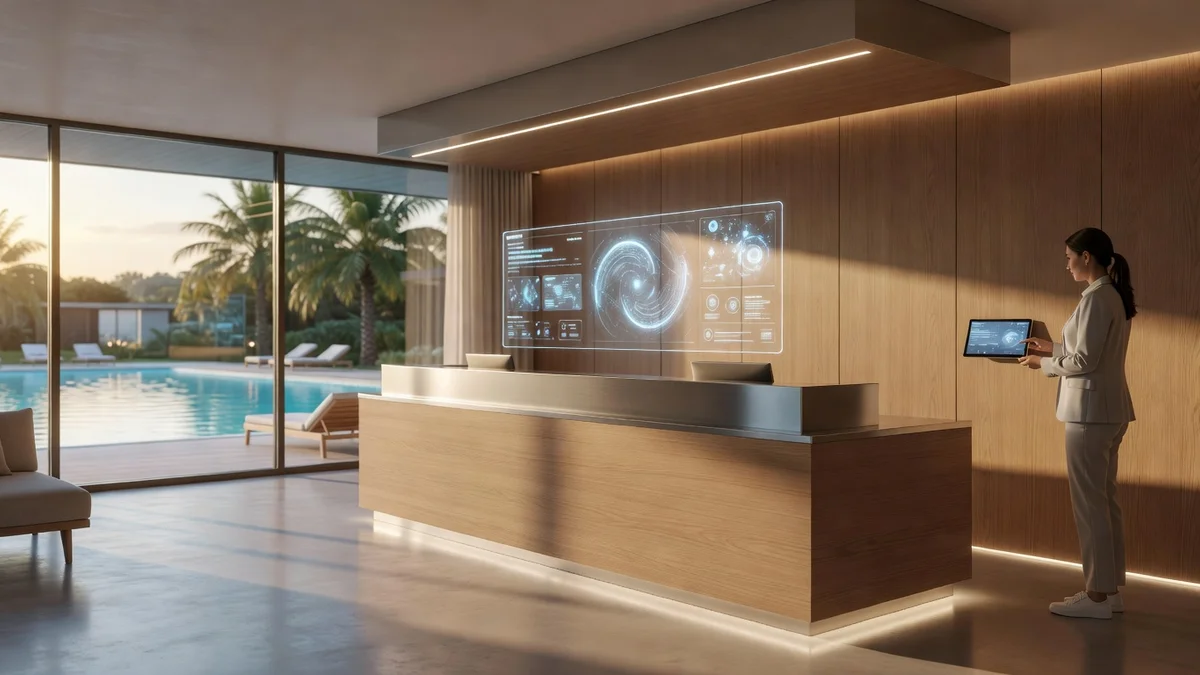
The Growing Need for Smarter Holiday Park Operations
Holiday parks face unique operational pressures that traditional manual processes simply cannot sustain in today’s competitive landscape. With seasonal peaks, diverse accommodation types, and high guest expectations, many owners and managers are turning to holiday park automation to streamline workflows and improve profitability. Recent industry data suggests that parks adopting automation see an average 25-35% reduction in administrative workload during peak seasons.

What Holiday Park Automation Actually Means
Holiday park automation refers to the use of AI-powered systems and integrated software to handle repetitive tasks across bookings, guest communication, maintenance, and reporting. Unlike generic hotel software, effective solutions for holiday parks must account for variable-length stays, caravan and tent pitches, on-site facilities, and multi-channel distribution.
Rather than replacing staff, automation frees teams to focus on high-value guest interactions while systems manage the predictable, time-consuming work.
Key Areas Where Holiday Park Automation Delivers Results
1. Booking and Revenue Management
Manual calendar updates across OTAs, direct websites, and phone bookings create errors and lost revenue. Automated systems sync availability in real time and apply dynamic pricing based on demand, weather forecasts, and local events.
Actionable step: Audit your current distribution channels and identify any that still require manual updates. Prioritise integration with a central system that pushes real-time availability to all platforms.
2. Guest Communication and Check-In
Pre-arrival emails, arrival instructions, and upsell offers can all be triggered automatically based on booking data. Self-check-in kiosks or mobile keys reduce front-desk queues during busy arrival days.
- Automated welcome sequences increase ancillary revenue (spa bookings, equipment hire) by 18-22% on average.
- Digital guest folders replace printed information packs, cutting printing costs while allowing instant updates.
3. Maintenance and Facilities Management
Holiday parks have extensive grounds, swimming pools, playgrounds, and utility points that require regular checks. IoT sensors combined with automated work-order systems can flag issues before they affect guests.
Practical example: A sensor on a shower block detects low water pressure and automatically creates a maintenance ticket assigned to the nearest team member, often resolving the issue before the next guest arrives.
4. Reporting and Compliance
End-of-month reporting, occupancy statistics, and regulatory compliance (fire safety checks, insurance documentation) become far more reliable when data is captured automatically rather than compiled manually.
How to Implement Holiday Park Automation Successfully
Follow this phased approach to minimise disruption:
- Map your current workflows – Document every manual task performed daily or weekly. Rank them by time spent and error frequency.
- Choose integrated solutions – Select platforms that connect with your existing property management system rather than standalone tools that create new data silos.
- Start with high-impact areas – Most parks see the fastest ROI from automating bookings and guest messaging before expanding to maintenance or reporting.
- Train your team – Even the best automation fails without staff buy-in. Run short, practical sessions focused on how the system helps rather than replaces their roles.
- Measure and refine – Track metrics such as time saved per booking, guest satisfaction scores, and maintenance response times for the first 90 days.

Common Challenges and How to Overcome Them
Many holiday park owners worry about technology reliability during peak season. The solution lies in choosing vendors with strong offline capabilities and local support. Another frequent concern is data security—ensure any automation platform complies with GDPR and uses encrypted connections for guest information.
Staff resistance often stems from fear of change rather than the technology itself. Involve key team members in the selection process and highlight how automation removes repetitive tasks they dislike.
Real-World Impact on Different Park Types
- Large resort-style parks with 200+ pitches typically recover their automation investment within 12-18 months through reduced staffing needs during shoulder seasons.
- Smaller family-run campsites benefit most from guest communication automation, which allows owners to manage enquiries while still delivering personal service.
- Caravan and glamping parks see particular value in automated inventory tracking for linen, toiletries, and kitchen equipment between turnovers.
Moving Forward with Holiday Park Automation
The shift toward smarter operations is no longer optional for parks aiming to grow sustainably. By focusing on the areas that deliver clear time and cost savings while maintaining the personal touch guests expect, managers can improve both profitability and guest satisfaction.
Jengu specialises in AI automation tailored specifically for hospitality businesses, including holiday parks, campsites, and resorts. Their solutions integrate with existing systems to handle bookings, guest communication, and operational tasks, allowing teams to focus on creating memorable guest experiences. If you’re ready to explore how holiday park automation could work for your property, visit jengu.ai to learn more.