Holiday Park Automation: Comprehensive Operations Guide
Expert insights on holiday park automation for hospitality businesses
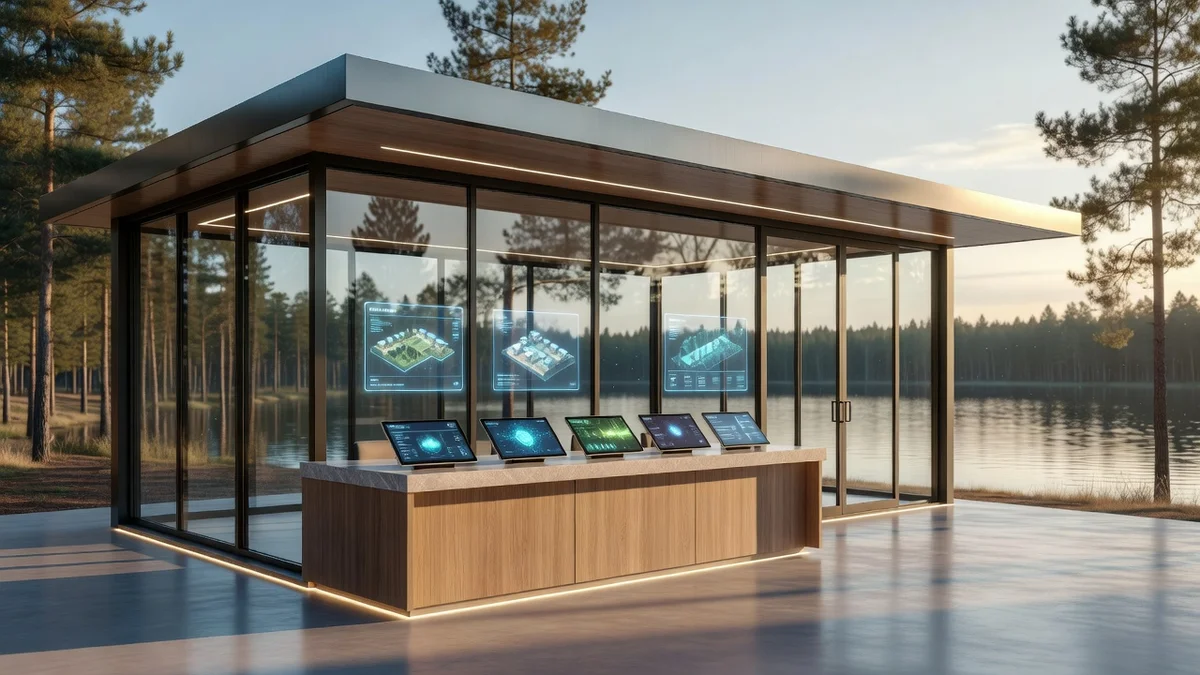
The Growing Need for Smarter Holiday Park Management
Picture this: it’s peak summer season, your holiday park is fully booked, and your front desk team is fielding calls about availability while guests queue for check-in. Meanwhile, maintenance requests pile up and your team struggles to keep up with personalized guest communications. This scenario is all too familiar for holiday park operators. Holiday park automation offers a practical way to reduce these pressures while improving both operational efficiency and guest satisfaction.
Industry estimates suggest that manual processes still consume up to 40% of staff time in mid-sized parks. By adopting holiday park automation, many operators report reclaiming 15–25 hours per week across their teams.

Why Holiday Park Automation Matters Now
The hospitality sector has seen rapid digital adoption since 2020. Campsites, caravan parks, and resort-style holiday parks face unique challenges: seasonal demand spikes, diverse accommodation types (lodges, pitches, cabins), and a mix of short-stay and long-stay guests.
Holiday park automation addresses these by connecting systems that traditionally operated in isolation—bookings, payments, housekeeping, and guest messaging. Properties that implement integrated automation typically see:
- 20–35% faster check-in times
- 25% reduction in no-shows through automated reminders
- Improved guest review scores due to quicker response times
Key Areas Where Automation Delivers the Highest ROI
Booking and Revenue Management
Automated systems can dynamically adjust pricing based on demand, occupancy, and local events. Instead of manually updating rates across channels, you set rules once and let the system handle distribution.
Actionable step: Audit your current booking channels and identify where double-bookings or rate discrepancies occur most often. This data helps prioritize which automation tool to implement first.
Guest Arrival and On-Site Experience
Self-service kiosks and mobile check-in reduce front-desk queues. Guests receive digital welcome packs with maps, Wi-Fi codes, and activity schedules automatically upon booking confirmation.
For larger parks, automated vehicle recognition or key-code entry for late arrivals eliminates the need for 24/7 staffing at reception.
Maintenance and Housekeeping Coordination
Smart automation platforms allow guests to report issues directly via QR codes placed in accommodation units. These requests route instantly to the correct team member based on location and priority.
A practical example: A leaking tap reported at 9 a.m. can be assigned, tracked, and resolved before the next guest arrives—without a single phone call to the maintenance team.
Communication and Guest Engagement
Automated messaging sequences handle pre-arrival information, upsell offers (extra activities, dining credits), and post-stay review requests. This keeps communication consistent while freeing staff for high-value interactions.
How to Implement Holiday Park Automation Successfully
Follow this phased approach to avoid common pitfalls:
- Map your current workflows – Document every manual step from enquiry to departure.
- Identify quick wins – Start with booking confirmations or payment reminders, which deliver immediate time savings.
- Choose integrated platforms – Ensure your automation system connects with your property management software and channel manager.
- Train your team – Run short workshops showing how automation handles repetitive tasks so staff can focus on guest experience.
- Measure and refine – Track metrics such as check-in duration, response time to requests, and staff hours saved.

Common Challenges and How to Overcome Them
Many park owners worry about technology overwhelming their teams or alienating older guests. The solution lies in gradual rollout and maintaining human touchpoints. Offer staff support during the first busy weekend after implementation, and keep a staffed desk available for guests who prefer face-to-face interaction.
Data security is another frequent concern. Choose providers with hospitality-specific compliance (GDPR, PCI-DSS) and conduct a simple audit of where guest data currently lives.
Measuring the Impact of Holiday Park Automation
After six months, successful implementations typically show:
- Occupancy rates increasing 8–12% due to better inventory visibility
- Staff overtime costs dropping by 15–20%
- Higher direct booking percentages as the website experience improves
These gains compound over multiple seasons, creating a meaningful competitive advantage.
Moving Forward with Confidence
Holiday park automation is no longer reserved for large resorts. Campsite owners and independent operators are successfully using it to reduce daily stress and deliver more consistent guest experiences. The key is starting with clear priorities and selecting tools that genuinely integrate with your existing operations.
At Jengu, we specialize in building automation solutions tailored to the unique needs of hotels, campsites, and holiday parks. Our team helps operators identify the highest-impact processes and implement systems that scale with seasonal demand. If you’re ready to explore how automation could work for your property, we’d be happy to discuss your specific challenges.