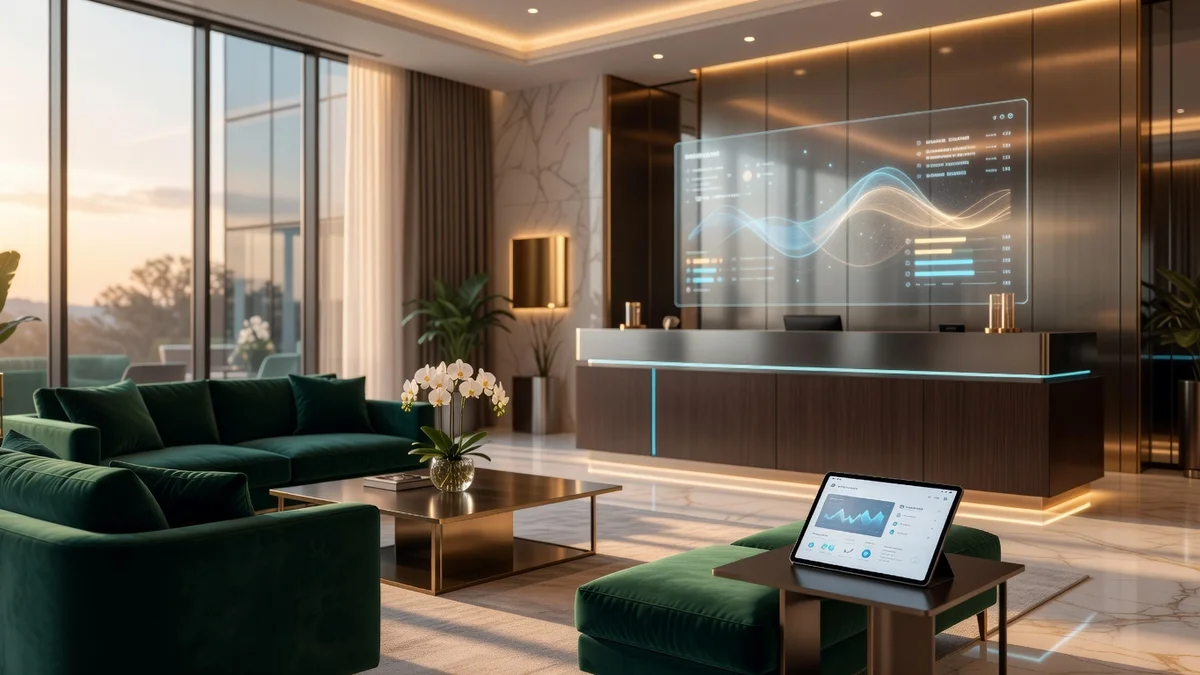
The Power of Guest Feedback in Hospitality
Imagine this: A guest leaves your hotel raving about the cozy beds but grumbling about slow check-in. Another complains about noisy neighbors at your campsite, while a third praises the personalized recommendations at your resort. In the hospitality industry, these snippets of feedback are goldmines—or they could be, if you can sift through them efficiently. But with hundreds of reviews pouring in from platforms like TripAdvisor, Google, and your own surveys, how do you turn this data into actionable improvements? Enter guest feedback AI, the game-changer that’s helping hotel managers, campsite owners, and resort operators like you stay ahead in a competitive market.
In this post, we’ll explore how AI can analyze and act on guest feedback, providing real value through practical examples, stats, and tips tailored for hospitality professionals. Whether you’re running a boutique hotel or a sprawling vacation rental, harnessing guest feedback AI could be the key to boosting satisfaction scores and repeat business.

Why Guest Feedback Matters More Than Ever
In today’s digital age, guest opinions aren’t just whispers—they’re broadcasted loudly online. A single negative review can deter potential bookings, while positive ones can skyrocket your occupancy rates. According to a 2023 report by Hospitality Net, 95% of travelers read reviews before booking, and properties with higher review scores see up to 20% more reservations.
For hotel managers, ignoring feedback means missing out on insights that could refine everything from room amenities to staff training. Campsite owners might overlook complaints about site maintenance, leading to lower ratings on sites like Hipcamp. Resorts and vacation rentals face similar challenges, where personalized experiences are key to standing out.
But here’s the rub: Manually sorting through feedback is time-consuming and prone to human bias. That’s where guest feedback AI steps in, automating the process to deliver unbiased, data-driven insights. By analyzing text from reviews, surveys, and social media, AI uncovers patterns that humans might miss, helping you prioritize what truly impacts guest satisfaction.
“Guest feedback isn’t just data—it’s the voice of your business’s future.” – Hospitality Industry Expert
How AI Analyzes Guest Feedback
AI isn’t magic; it’s a powerful tool that processes vast amounts of data at lightning speed. Let’s break down how guest feedback AI works in hospitality settings.
Real-Time Sentiment Analysis
One of the standout features of guest feedback AI is its ability to gauge sentiment in real-time. Using natural language processing (NLP), AI scans reviews for positive, negative, or neutral tones. For instance, phrases like “amazing view” get flagged as positive, while “dirty bathroom” signals a red flag.
Practical example: At a mid-sized hotel chain, AI tools analyzed 5,000 reviews overnight and identified that 30% of negative feedback centered on Wi-Fi issues. This allowed managers to act swiftly, upgrading routers before the peak season.
Actionable advice:
- Integrate AI with your review platforms (e.g., Google My Business or Yelp) for instant alerts on low-sentiment feedback.
- Set thresholds: If sentiment dips below 70%, trigger automated staff notifications.
Identifying Trends and Patterns
Beyond sentiment, AI excels at spotting recurring themes. It categorizes feedback into buckets like “cleanliness,” “staff friendliness,” or “amenities,” revealing trends over time.
Stats to note: A Deloitte study estimates that hotels using AI for feedback analysis see a 15% improvement in Net Promoter Scores (NPS) within six months.
For campsite owners, AI might detect seasonal patterns, such as increased complaints about bugs in summer. Resorts could uncover that families love kid-friendly activities but solo travelers want quieter zones.
Example: A vacation rental company used AI to analyze feedback from Airbnb and VRBO. The system flagged a pattern of dissatisfaction with check-in processes during weekends. By introducing self-check-in kiosks, they reduced complaints by 40%.
- Bullet points for spotting trends with AI:
- Track feedback by demographics: AI can segment data by age, group size, or booking type.
- Visualize data: Use AI dashboards to create charts showing complaint hotspots.
- Predict issues: Advanced AI models forecast potential problems based on historical data.
Predictive Analytics for Proactive Improvements
Taking it a step further, some guest feedback AI systems use machine learning to predict future feedback. By correlating past reviews with operational data (like occupancy rates or weather), AI anticipates issues.
For hotel managers: If AI notices a spike in noise complaints during events, it could suggest soundproofing upgrades or alternative room assignments.
Actionable tip: Start with free tools like Google Analytics integrated with AI plugins, then scale to specialized platforms for deeper insights.

Acting on AI Insights: Practical Strategies for Hospitality Professionals
Analysis is only half the battle— the real value comes from acting on those insights. Here’s how to turn guest feedback AI data into tangible changes.
Personalizing Guest Experiences
AI doesn’t just highlight problems; it suggests solutions. For example, if feedback shows guests love personalized touches, AI can recommend tailored amenities.
Numbered list of steps to personalize:
- Segment your guests: Use AI to group feedback by traveler type (e.g., families vs. business travelers).
- Automate responses: AI chatbots can reply to reviews with personalized thank-yous or offers.
- Implement changes: If AI spots a demand for vegan options at your resort, update menus and track subsequent feedback.
Case in point: A campsite owner used AI to analyze reviews and found 25% of guests requested better lighting at night. Installing solar-powered path lights led to a 18% uptick in positive mentions.
Training Staff and Improving Operations
Feedback often points to staff performance. AI can anonymize and aggregate this data for constructive training.
Stats: According to McKinsey, AI-driven training programs in hospitality can boost employee productivity by 10-15%.
For resorts: If AI identifies inconsistent housekeeping, create targeted workshops. Vacation rental managers might use insights to refine cleaning checklists.
- Actionable advice in bullets:
- Share AI reports in team meetings to foster a feedback-driven culture.
- Reward improvements: Tie bonuses to metrics like reduced negative feedback.
- Monitor ROI: Track how changes affect overall ratings and revenue.
Integrating with Other Systems
To maximize impact, connect guest feedback AI with your property management system (PMS) or CRM. This creates a feedback loop where insights inform bookings, pricing, and marketing.
Example: A hotel integrated AI with their booking software. When feedback revealed preferences for ocean-view rooms, they adjusted dynamic pricing, increasing revenue by 12%.
For campsite owners: Link AI to reservation systems to flag high-risk bookings (e.g., large groups prone to noise complaints) and prepare accordingly.
Overcoming Challenges in Implementing Guest Feedback AI
No tool is perfect. Common hurdles include data privacy concerns and integration costs. Ensure your AI provider complies with GDPR and CCPA to protect guest information.
Budget tip: Small operations can start with affordable tools like SurveyMonkey’s AI features, scaling up as needed.
Realistic stat: A 2024 Forrester report indicates that 70% of hospitality businesses adopting AI see a return on investment within the first year.
“The key to success with guest feedback AI is starting small and iterating based on results.” – AI Hospitality Consultant

Measuring Success and Continuous Improvement
Once implemented, track key metrics like response times to feedback, changes in review scores, and guest retention rates. Tools with built-in analytics make this easy.
Example: After adopting AI, a resort chain reported a 22% drop in churn, attributing it to faster issue resolution.
Remember, AI evolves—regularly update your system to incorporate new features like voice analysis from phone surveys.
Conclusion: Elevate Your Hospitality Game with AI
In the fast-paced world of hospitality, guest feedback AI is no longer a luxury—it’s a necessity for staying competitive. By analyzing sentiments, spotting trends, and enabling proactive actions, AI empowers you to create memorable experiences that keep guests coming back. From boosting NPS scores to personalizing services, the benefits are clear and measurable.
Ready to transform how you handle guest feedback? At Jengu (jengu.ai), our AI automation solutions are designed specifically for the hospitality industry, helping hotels, campsites, resorts, and vacation rentals analyze and act on feedback effortlessly. Contact us today to see how we can tailor a solution for your business and take your guest satisfaction to new heights.