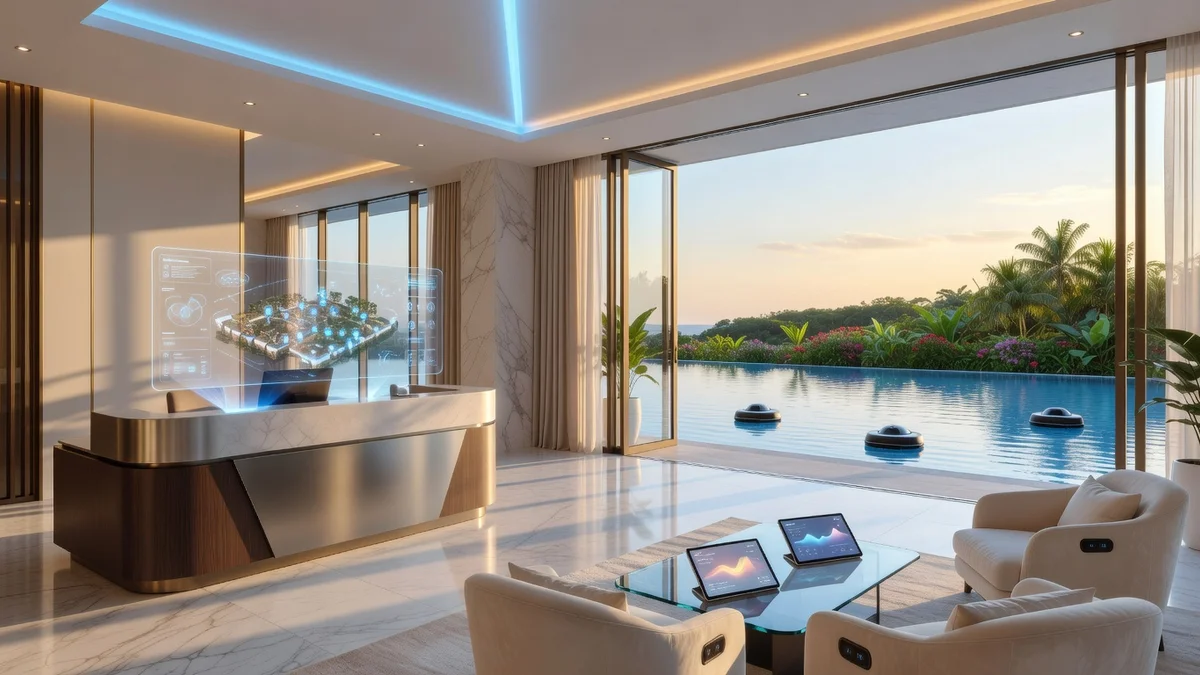
In the fast-paced world of hospitality, where guest expectations are skyrocketing and operational costs are always under scrutiny, staying ahead means embracing smart technology. Imagine checking into a hotel where your room key is delivered via a seamless app, your preferences are anticipated before you even arrive, and staff are freed up to focus on what they do best: creating memorable experiences. This isn’t a futuristic dream—it’s the reality of implementing automation best practices in hotels, campsites, resorts, and vacation rentals. As a hospitality professional, you know the industry is evolving rapidly, with automation poised to boost efficiency by up to 30% according to recent Deloitte reports. But how do you get started without overwhelming your team or disrupting service? In this comprehensive guide, we’ll explore automation best practices tailored for the hospitality sector, complete with actionable advice, real-world examples, and tips to help you thrive.
Why Automation is a Game-Changer for Hospitality Businesses
Automation isn’t just about cutting costs—it’s about enhancing the guest experience and empowering your staff. In an industry where personalized service can make or break a review, tools like AI-driven chatbots, automated check-ins, and predictive analytics are transforming operations. Consider this: a study by McKinsey found that hotels adopting automation see a 20-25% increase in operational efficiency, allowing managers to reallocate resources toward guest satisfaction.
For hotel managers and campsite owners, automation addresses pain points like seasonal staffing shortages and high turnover rates. Resorts and vacation rentals, often dealing with remote locations or fluctuating demand, benefit from streamlined booking systems that reduce no-shows by 15%, as per industry benchmarks from STR Global. But success hinges on adopting automation best practices that align with your unique needs—rushing in without a plan can lead to tech glitches or frustrated guests.

Essential Automation Best Practices Every Hotel Should Implement
To make automation work for you, focus on strategies that integrate seamlessly with your operations. Here are some key automation best practices, broken down with practical examples and tips.
Start with Guest-Facing Automation for Quick Wins
Guest interactions are where automation shines brightest. Begin by automating routine tasks to free up staff for more meaningful engagements.
-
Automated Check-In and Check-Out Processes: Implement self-service kiosks or mobile apps that allow guests to bypass the front desk. For instance, a mid-sized resort in Florida reported a 40% reduction in check-in wait times after adopting app-based keyless entry, leading to higher satisfaction scores on platforms like TripAdvisor.
-
Personalized Communication via Chatbots: Use AI chatbots to handle inquiries about amenities, room service, or local recommendations. A best practice is to integrate them with your property management system (PMS) for real-time responses. Actionable tip: Train your chatbot with FAQs specific to your location—campsite owners could include queries about hiking trails or wildlife safety.
-
Dynamic Pricing Tools: Automate room rates based on demand, events, or occupancy. This can increase revenue by 10-15%, according to Hospitality Net data. Example: A vacation rental company automated pricing adjustments during peak seasons, resulting in a 12% revenue uplift without manual oversight.
Remember, the goal is to enhance, not replace, human touch. Monitor usage with analytics to ensure 80% of interactions are resolved automatically, escalating complex issues to staff.
Streamline Back-Office Operations for Efficiency
Behind the scenes, automation can tackle administrative burdens, from inventory management to staff scheduling.
-
Inventory and Supply Chain Automation: Use sensors and AI to track stock levels in real-time. A hotel chain automated their linen and amenity tracking, reducing waste by 25% and ensuring rooms are always guest-ready.
-
Staff Scheduling and Task Management: Tools like automated rostering software consider peak times and employee preferences, cutting overtime costs by up to 20%. For campsite owners, this means efficiently assigning maintenance tasks during off-peak hours.
-
Data Analytics for Predictive Maintenance: Automate alerts for equipment issues, such as HVAC systems in resorts. Actionable advice: Integrate with IoT devices to predict failures— one study from PwC shows this can prevent 70% of downtime incidents.
By focusing on these areas, hospitality professionals can achieve a balanced workflow where automation handles the mundane, allowing teams to innovate.
Integrate Automation with Existing Systems Seamlessly
One of the top automation best practices is ensuring compatibility. Don’t create silos—choose scalable solutions that connect with your current tech stack.
-
API Integrations: Link your booking engine with CRM systems for unified data. Example: A boutique hotel integrated their PMS with email marketing tools, automating personalized follow-ups that boosted repeat bookings by 18%.
-
Scalability Planning: Start small—pilot automation in one department, like reservations, before expanding. This minimizes risks and allows for adjustments based on feedback.
-
Security Measures: Always prioritize data protection with encrypted systems, especially for guest information. Comply with GDPR or CCPA to build trust.
These practices ensure automation grows with your business, whether you’re managing a single campsite or a chain of resorts.

Step-by-Step Guide to Implementing Automation in Your Hospitality Business
Ready to dive in? Follow this actionable roadmap to adopt automation best practices without disruption.
-
Assess Your Needs: Conduct an audit of pain points. Survey staff and guests—what tasks take the most time? For hotels, this might be manual reservations; for campsites, it could be site maintenance tracking.
-
Choose the Right Tools: Research user-friendly platforms. Look for those with hospitality-specific features, like integration with popular PMS like Opera or Cloudbeds. Budget tip: Start with affordable options under $500/month for small operations.
-
Train Your Team: Invest in short training sessions—aim for 80% staff proficiency within two weeks. Use role-playing to demonstrate how automation enhances their roles, not threatens jobs.
-
Pilot and Iterate: Roll out in phases. Monitor KPIs like guest satisfaction (target a 10% Net Promoter Score increase) and operational savings. Adjust based on data—for example, if chatbots confuse international guests, refine language options.
-
Measure Success: Track metrics such as reduced labor hours (aim for 15-20% savings) and improved reviews. Tools like Google Analytics can help quantify ROI.
A real-world example: A European resort chain followed this guide, automating their entire booking process, which led to a 22% increase in direct bookings and fewer errors.
“Automation isn’t about replacing people; it’s about empowering them to deliver exceptional service.” – Hospitality Industry Expert
Common Pitfalls to Avoid When Adopting Automation
Even with the best intentions, mistakes happen. Here’s how to sidestep them:
-
Over-Automating Too Soon: Don’t automate everything at once. Focus on high-impact areas first to avoid overwhelming your team.
-
Ignoring Guest Feedback: Automation should feel intuitive. Regularly collect input— one survey from Statista shows 60% of guests prefer a mix of tech and human interaction.
-
Neglecting Maintenance: Automated systems need updates. Schedule quarterly reviews to prevent glitches that could lead to poor reviews.
-
Underestimating Costs: Factor in implementation and training expenses. Realistic estimate: Initial setup for a mid-sized hotel might cost $10,000-$20,000, with ROI in 6-12 months.
By avoiding these, you’ll ensure smooth adoption and long-term benefits.

Overcoming Challenges and Future Trends in Hospitality Automation
Challenges like resistance to change or integration issues are common, but they’re surmountable. Encourage buy-in by highlighting success stories—hotels using automation report 25% higher employee satisfaction due to reduced repetitive tasks, per Gallup data.
Looking ahead, trends like AI-powered personalization (e.g., recommending activities based on past stays) and voice-activated room controls are on the rise. By 2025, Gartner predicts 75% of hospitality interactions will be automated, making now the time to act.
In summary, embracing automation best practices can revolutionize your hospitality business, from boosting efficiency to delighting guests. Whether you’re a hotel manager optimizing check-ins or a campsite owner streamlining reservations, the key is thoughtful implementation. At Jengu, we specialize in AI automation tailored for the hospitality industry, helping properties like yours achieve seamless operations. Ready to elevate your business? Contact us today to explore how our solutions can transform your workflows—visit jengu.ai for a free consultation.
(Word count: 1487)