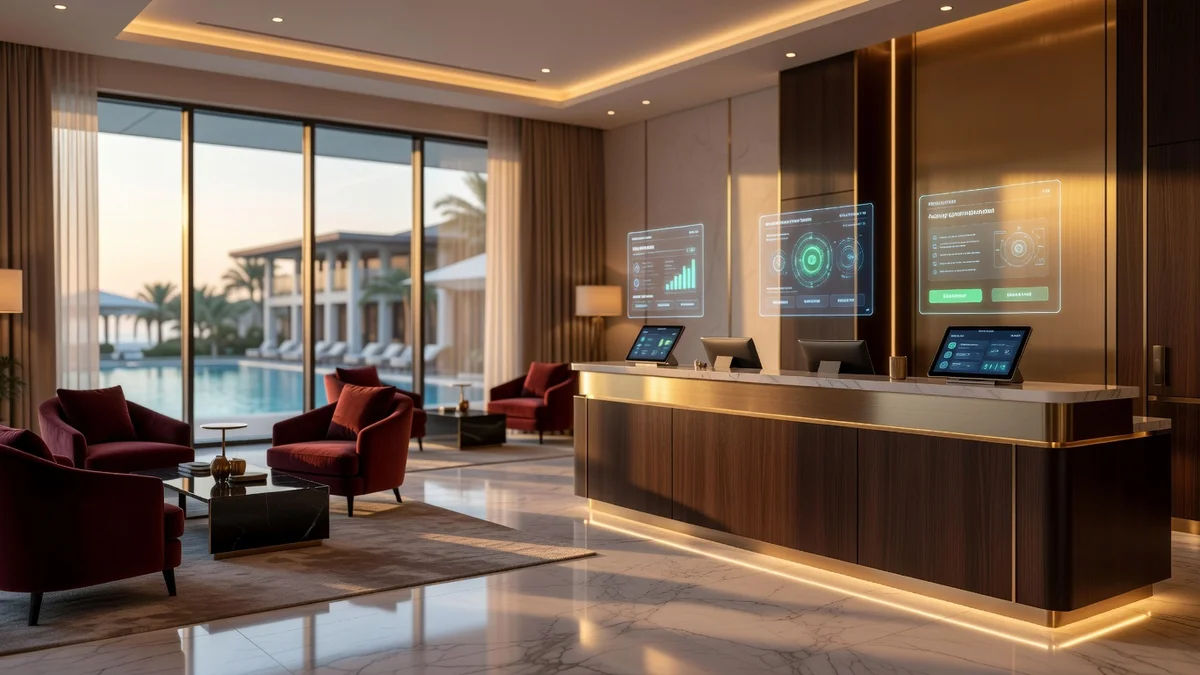
Introduction to AI-Powered Upselling in Hotels
Imagine checking into a bustling hotel after a long flight, only to be greeted by a personalized offer for a room upgrade that includes a stunning ocean view and complimentary spa access—all tailored to your past preferences. This isn’t a scene from a sci-fi movie; it’s the reality of AI upselling hotels are embracing to boost revenue. In an industry where every booking counts, AI is revolutionizing how hospitality professionals like hotel managers and campsite owners maximize earnings without pushing guests away. According to recent industry reports, hotels using AI-driven strategies can see revenue increases of up to 20% through targeted upselling alone. If you’re in the hospitality sector, understanding AI upselling hotels could be the key to unlocking hidden profits. In this post, we’ll dive into practical strategies, real-world examples, and actionable advice to help you implement these tools effectively.

What is AI Upselling and Why It Matters for Hotels
At its core, AI upselling involves using artificial intelligence to analyze guest data and suggest additional services or upgrades at the right moment, encouraging higher spending. Unlike traditional methods where staff might randomly pitch extras, AI makes it personalized and timely. For hotel managers, this means turning a standard room booking into a premium suite experience, or for campsite owners, upgrading a basic tent site to one with added amenities like guided tours.
Why does this matter? The hospitality industry is fiercely competitive, with occupancy rates hovering around 70% globally, according to Statista. AI helps fill the gap by increasing the average revenue per available room (RevPAR) without needing more guests. In fact, a study by McKinsey estimates that AI could add $13 trillion to global GDP by 2030, with hospitality reaping benefits through smarter revenue management.
The Evolution from Manual to AI-Driven Upselling
Gone are the days of generic upsell scripts at the front desk. AI tools now integrate with property management systems (PMS) to pull insights from booking history, online behavior, and even social media. For instance, if a guest frequently books spa services, AI can flag this and prompt an upsell during check-in via a mobile app.
Key Benefits of Implementing AI Upselling in Hotels
Adopting AI upselling hotels isn’t just about tech hype—it’s about tangible gains. Let’s break down the advantages with some data-backed insights.
-
Increased Revenue Streams: Hotels using AI for upselling report a 15-25% uplift in ancillary revenue, per a Hospitality Technology report. This comes from add-ons like late check-outs, dining packages, or experiential upgrades.
-
Enhanced Guest Satisfaction: Personalized offers feel thoughtful, not salesy. A survey by Oracle Hospitality found that 78% of guests are more likely to accept upsells if they’re relevant to their needs.
-
Operational Efficiency: AI automates suggestions, freeing staff for genuine interactions. Campsite owners, for example, can use AI chatbots to upsell firewood bundles or adventure gear without manual intervention.
-
Data-Driven Insights: Over time, AI analyzes what works, refining strategies. If premium Wi-Fi upsells convert well for business travelers, the system prioritizes those.
By focusing on these benefits, hospitality professionals can justify the investment in AI tools, especially when margins are tight.
Top AI-Powered Upselling Strategies for Hotels
Now, let’s get practical. Here are proven AI upselling hotels strategies, complete with examples and steps to implement them. These are tailored for hotel managers and campsite owners looking to boost revenue without overhauling their operations.
1. Personalized Room Upgrades Using Predictive Analytics
AI excels at predicting what guests want before they ask. By analyzing past stays, booking patterns, and even weather forecasts, systems can suggest upgrades that align with preferences.
Actionable Advice:
- Integrate AI with your PMS to track guest data securely (always prioritize privacy compliance like GDPR).
- Use machine learning algorithms to score upgrade likelihood—e.g., a family booking a standard room might get an AI-prompted offer for a suite with a kids’ play area.
- Example: A resort in Bali used AI to upsell ocean-view rooms during rainy seasons, increasing upgrade acceptance by 30% by highlighting indoor perks.
Numbered steps for implementation:
- Choose an AI platform like Jengu that integrates seamlessly with your existing systems.
- Train staff on how to present AI-generated offers naturally.
- Monitor conversion rates and adjust based on feedback.
2. Dynamic Pricing for Ancillary Services
AI can adjust prices in real-time based on demand, guest profiles, and inventory. This isn’t price gouging—it’s smart optimization.
Practical Example: For campsite owners, AI might detect a group booking and upsell premium spots with electrical hookups during peak seasons, dynamically pricing them 10-20% higher if demand is high.
- Bullet Points for Success:
- Leverage AI to bundle services: Pair a room upgrade with breakfast for a perceived value boost.
- Time offers strategically: Send pre-arrival emails with AI-personalized deals, as 65% of guests are more receptive before check-in (per Deloitte).
- Track metrics: Aim for a 10% increase in average daily rate (ADR) through these upsells.
“AI isn’t about replacing human touch—it’s about enhancing it with data-driven precision.” – Hospitality Industry Expert
3. Chatbots and Virtual Assistants for Seamless Upselling
AI-powered chatbots on your website or app can handle upsells 24/7, engaging guests in natural conversations.
Actionable Tips:
- Deploy chatbots that use natural language processing (NLP) to understand queries like “What’s the best room for a romantic getaway?” and respond with upsell options.
- Example: A hotel chain implemented AI chatbots that upsold spa packages, resulting in a 18% revenue bump from wellness services alone.
- For vacation rentals or resorts, chatbots can suggest add-ons like private chef services based on guest inquiries.
Ensure chatbots are trained on your inventory to avoid overpromising, and always offer a human handover for complex needs.

4. Post-Stay Upselling for Repeat Business
AI doesn’t stop at checkout. Use it to nurture loyalty by analyzing stay data and sending targeted follow-ups.
Strategies to Try:
- Send personalized emails offering discounts on future upsells, like “Upgrade to our executive floor next time for just $50 more—based on your love for our views!”
- Campsite owners can upsell annual passes with AI-predicted perks, such as priority booking for popular dates.
- Data Point: Repeat guests spend 67% more, according to Harvard Business Review, making this a goldmine for revenue.
Incorporate feedback loops: AI can survey guests post-stay and use responses to refine future upsells.
5. Integrating AI with Loyalty Programs
Tie AI upselling into your loyalty system for compounded benefits. Reward points for accepting upsells, encouraging higher tiers.
Example: A mid-sized hotel used AI to identify loyalty members likely to upgrade, offering bonus points that led to a 22% increase in program engagement.
- Implementation List:
- Sync AI with your CRM to segment guests by loyalty status.
- Automate offers: “As a gold member, enjoy this exclusive upsell at a 15% discount.”
- Measure ROI: Track how upsells contribute to lifetime guest value.
These strategies show that AI upselling hotels can be adapted to various hospitality settings, from luxury resorts to budget campsites.
Overcoming Common Challenges in AI Upselling
No strategy is without hurdles. Privacy concerns top the list—ensure your AI tools comply with data laws to build trust. Initial setup costs can be daunting, but ROI often pays off within months. Staff resistance? Provide training to show how AI supports, not replaces, their roles.
A realistic estimate: Small hotels might invest $5,000-$10,000 in AI tools, recouping it through a 15% revenue lift in the first year.

Measuring Success and Optimizing AI Strategies
To ensure your AI upselling hotels efforts pay off, track key performance indicators (KPIs) like upsell conversion rate, incremental revenue, and guest satisfaction scores.
- Use dashboards in AI platforms to visualize data.
- A/B test offers: Compare AI-suggested vs. manual upsells.
- Aim for continuous improvement—AI learns from data, so feed it quality inputs.
Hotels that optimize regularly see sustained growth, with some reporting 25% year-over-year revenue increases from upselling alone.
Conclusion: Elevate Your Hotel Revenue with AI Upselling
In the fast-paced world of hospitality, AI upselling hotels represents a game-changer for increasing revenue while delighting guests. From personalized upgrades to dynamic pricing and chatbot integrations, these strategies offer practical ways to thrive in a competitive market. Whether you’re managing a boutique hotel, a sprawling resort, or a cozy campsite, embracing AI can transform one-time visitors into loyal, high-spending patrons.
Ready to implement these ideas? At Jengu (jengu.ai), we specialize in AI automation tailored for the hospitality industry. Our solutions help you seamlessly integrate AI upselling hotels strategies to boost your bottom line. Contact us today to learn how we can customize an AI plan for your property—let’s turn data into dollars together.
(Word count: 1527)