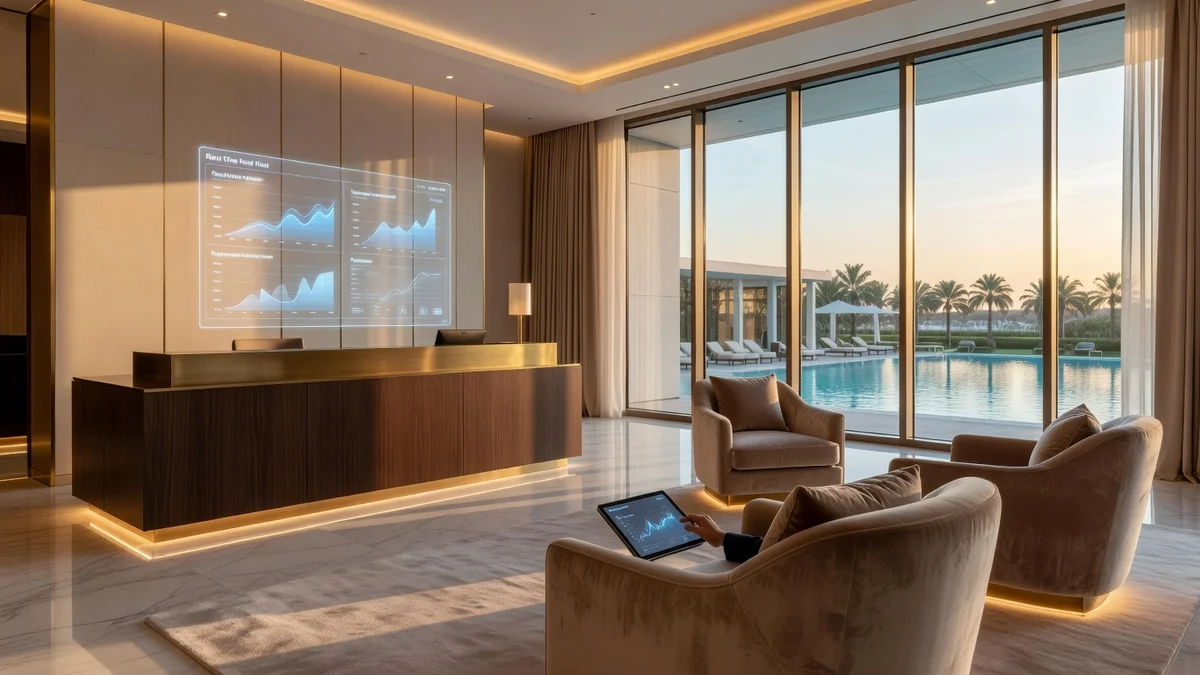
The Power of Predictive Maintenance in Hotels: A Game-Changer for Hospitality
Imagine this: It’s peak season at your bustling hotel, guests are checking in left and right, and suddenly, the HVAC system grinds to a halt. Chaos ensues—uncomfortable rooms, frustrated guests, and a hefty repair bill that could have been avoided. For hotel managers and hospitality professionals, equipment failures aren’t just inconveniences; they’re profit killers. But what if you could predict and prevent these breakdowns before they happen? Enter predictive maintenance hotels strategies powered by AI, a revolutionary approach that’s transforming how properties like yours stay ahead of the curve. In this post, we’ll dive into how AI-driven predictive maintenance can save you time, money, and headaches, with practical tips tailored for hotels, campsites, resorts, and vacation rentals.

What is Predictive Maintenance and Why It Matters for Hotels
Predictive maintenance is all about using data and technology to foresee equipment issues before they escalate into full-blown failures. Unlike traditional reactive maintenance—where you fix things only after they break—or preventive maintenance, which follows a rigid schedule, predictive maintenance relies on real-time insights to act precisely when needed.
In the context of predictive maintenance hotels, this means monitoring everything from elevators and kitchen appliances to pool pumps and lighting systems. According to a report by McKinsey, industries adopting predictive maintenance can reduce downtime by up to 50% and extend equipment life by 20-40%. For hospitality, where uptime is everything, these stats translate to happier guests and healthier bottom lines. Think about it: A single hour of downtime in a high-occupancy hotel could cost thousands in lost revenue and compensation.
But why does this matter specifically for hotels? Hospitality operations run 24/7, and even minor glitches can lead to bad reviews on platforms like TripAdvisor. Predictive maintenance hotels strategies help you shift from firefighting to foresight, ensuring seamless guest experiences.
Key Components of Predictive Maintenance
- Sensors and IoT Devices: These collect data on vibration, temperature, and performance metrics.
- AI Algorithms: Machine learning models analyze patterns to predict failures.
- Data Integration: Combining historical data with real-time inputs for accurate forecasts.
The Benefits of AI-Driven Predictive Maintenance for Hospitality Professionals
Adopting predictive maintenance hotels isn’t just a tech upgrade—it’s a strategic move that delivers tangible ROI. Let’s break down the advantages with some real-world relevance for hotel managers and campsite owners.
First, cost savings. Reactive repairs can be 3-9 times more expensive than planned ones, per the U.S. Department of Energy. By predicting issues, you avoid emergency call-outs and overtime labor. For instance, a resort could save 15-20% on annual maintenance budgets by addressing HVAC wear before it leads to a system-wide shutdown.
Second, improved guest satisfaction. No one wants a cold shower or a malfunctioning key card system. Predictive tools ensure equipment runs smoothly, boosting your Net Promoter Score (NPS) and repeat bookings. A study by Deloitte found that hotels with proactive maintenance see a 10-15% increase in positive reviews.
Third, sustainability gains. Efficient equipment means less energy waste. AI can optimize systems to reduce consumption by up to 30%, aligning with eco-friendly trends that appeal to modern travelers.
- Extended Asset Lifespan: Regular, data-driven tweaks prevent premature wear.
- Operational Efficiency: Staff focus on high-value tasks instead of constant fixes.
- Risk Reduction: Minimize safety hazards, like faulty electrical systems in campsites.
For vacation rental owners, this is especially crucial—remote properties can’t afford frequent on-site visits, making AI predictions a lifesaver.

How AI Powers Predictive Maintenance in Hotels
At the heart of predictive maintenance hotels is artificial intelligence, which turns raw data into actionable intelligence. AI algorithms process vast amounts of information from sensors embedded in your equipment, spotting anomalies that humans might miss.
For example, machine learning models can analyze vibration patterns in an elevator motor. If deviations suggest impending failure, the system alerts you weeks in advance. This isn’t sci-fi—it’s already in use at chains like Marriott, where AI has cut unplanned downtime by 25%.
AI Technologies Driving the Change
- Machine Learning: Trains on historical data to predict future issues.
- Predictive Analytics: Uses statistical models to forecast failure probabilities.
- Computer Vision: AI cameras detect visual wear on assets like pool filters.
In a campsite setting, AI could monitor generator performance, predicting fuel inefficiencies based on usage patterns and weather data. Resorts might use it for spa equipment, ensuring jacuzzis stay operational during high-demand periods.
“AI doesn’t just predict failures; it prescribes solutions, turning potential disasters into minor adjustments.” – Industry Expert on Hospitality Tech
Practical Examples of Predictive Maintenance in Action
Let’s get hands-on with how predictive maintenance hotels works in real scenarios. These examples are drawn from common hospitality challenges, complete with actionable advice.
Example 1: HVAC Systems in Hotels
Hotels rely on heating, ventilation, and air conditioning for guest comfort. AI sensors track airflow, temperature fluctuations, and energy use. If the system shows irregular patterns, AI flags it for maintenance.
Actionable Advice:
- Install IoT sensors on all units (cost: $50-200 per device).
- Use AI software to set alerts for anomalies, like a 10% efficiency drop.
- Schedule checks during low-occupancy periods to minimize disruption.
A mid-sized hotel in Florida reported saving $20,000 annually by preventing HVAC breakdowns during hurricane season.
Example 2: Kitchen Equipment in Resorts
Commercial ovens and refrigerators are prone to failure under heavy use. AI monitors internal temperatures and motor health, predicting issues like compressor failures.
Actionable Advice:
- Integrate AI with existing inventory systems for usage tracking.
- Train staff on dashboard alerts—respond within 24 hours to predictions.
- Combine with supplier data for part replacements, reducing downtime to hours instead of days.
Resorts using this approach have seen a 40% drop in food spoilage incidents.
Example 3: Pool and Outdoor Equipment in Campsites
For campsites and vacation rentals, pumps and filtration systems are critical. AI analyzes water quality and pump vibrations to predict clogs or motor wear.
Actionable Advice:
- Deploy wireless sensors for remote monitoring (ideal for off-grid sites).
- Set up automated reports via apps, alerting owners to issues like algae buildup risks.
- Partner with local technicians for quick interventions based on AI insights.
One campsite owner avoided a full pool closure by addressing a predicted pump failure, saving a weekend’s revenue.
These examples show that predictive maintenance isn’t one-size-fits-all—tailor it to your property’s scale and needs.
Implementing Predictive Maintenance: A Step-by-Step Guide for Hospitality Pros
Ready to bring predictive maintenance hotels to your operation? Here’s a straightforward roadmap to get started, whether you’re managing a boutique hotel or a sprawling resort.
- Assess Your Assets: Inventory all equipment and prioritize high-impact items (e.g., boilers over desk lamps).
- Choose the Right Tools: Opt for AI platforms compatible with your PMS (Property Management System). Look for user-friendly options with mobile apps.
- Gather Data: Install sensors and integrate with existing systems. Start small—pilot on one department.
- Train Your Team: Educate staff on interpreting AI alerts. No PhD required; most interfaces are intuitive.
- Monitor and Optimize: Review predictions monthly, adjusting based on accuracy (aim for 80-90% reliability initially).
- Scale Up: Expand to more assets once you see ROI.
Budget-wise, initial setup might cost $5,000-$50,000 depending on property size, with payback in 6-12 months. Challenges like data privacy? Use secure, compliant AI providers. Integration hurdles? Start with cloud-based solutions for easy scalability.
- Pro Tip: Leverage grants for green tech if your predictive maintenance focuses on energy savings.
- Common Pitfall to Avoid: Over-relying on AI without human oversight—always verify predictions.
By following these steps, campsite owners can even integrate weather APIs for outdoor equipment predictions, enhancing resilience against seasonal changes.

Overcoming Challenges in Predictive Maintenance Adoption
No solution is without hurdles. For hospitality professionals, key challenges include high upfront costs, tech integration, and staff resistance.
Statistics from PwC indicate that 30% of predictive maintenance initiatives fail due to poor data quality. Solution? Invest in reliable sensors and clean your datasets regularly.
Another issue: Scalability for smaller properties like vacation rentals. Opt for affordable, subscription-based AI tools rather than enterprise systems.
Finally, ensure cybersecurity—AI systems handle sensitive data, so choose vendors with robust encryption.
Conclusion: Secure Your Hotel’s Future with Predictive Maintenance
In the fast-paced world of hospitality, staying ahead means embracing innovation like predictive maintenance hotels. By preventing equipment failures, you’re not just saving costs—you’re elevating guest experiences and future-proofing your business. From reducing downtime by 50% to boosting sustainability, the benefits are clear and achievable.
If you’re ready to implement AI-driven predictive maintenance tailored to your hotel, campsite, or resort, Jengu (jengu.ai) is here to help. Our AI automation solutions specialize in hospitality, offering seamless integrations that predict and prevent issues before they impact your operations. Contact us today to learn how we can customize a plan for you—let’s turn potential problems into proactive triumphs.
(Word count: 1527)