Role of AI in Bookings: Smarter Hospitality Reservation Systems
Expert insights on role of ai in bookings for hospitality businesses
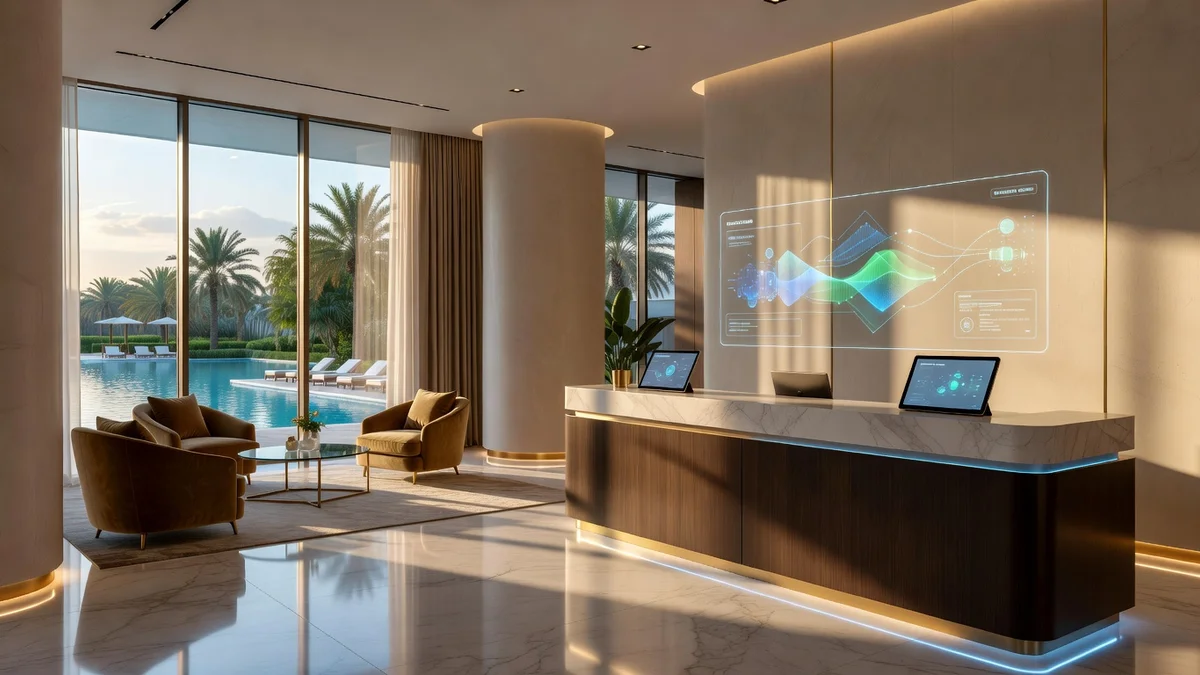
The Role of AI in Bookings: Transforming How Hospitality Businesses Operate
Picture this: it’s peak season, your front desk team is juggling phone calls, emails, and online inquiries while trying to avoid double-bookings. One wrong entry and a guest shows up to a room that doesn’t exist. For hotel managers, campsite owners, and resort operators, these moments highlight why understanding the role of AI in bookings has become essential rather than optional.
AI-powered reservation systems are no longer futuristic concepts. They’re practical tools that handle availability checks, personalize offers, and predict demand patterns in real time. Let’s explore how the role of AI in bookings is reshaping hospitality operations and what you can do to stay competitive.
Why Traditional Booking Systems Fall Short
Most legacy reservation platforms rely on manual updates and basic calendars. This creates several pain points:
- Overbookings during high-demand periods
- Missed opportunities for upselling rooms or add-ons
- Slow response times that drive guests to competitors
Hospitality businesses lose an estimated 15-20% of potential revenue annually due to these inefficiencies. AI changes this by automating decisions that once required constant human oversight.

Key Ways AI Improves Reservation Systems
The role of AI in bookings shows up in several practical areas that directly impact your bottom line.
Predictive Demand Forecasting
AI analyzes historical data, weather patterns, local events, and even social media trends to predict occupancy rates days or weeks ahead. A campsite in the mountains, for example, can automatically adjust pricing when a popular hiking festival is announced nearby.
Personalized Guest Experiences
Instead of offering the same rate to every visitor, AI tailors recommendations based on past stays, booking behavior, and preferences. A returning family might see family-suite options with crib add-ons highlighted automatically.
Automated Availability Management
Smart systems sync across multiple channels—your website, OTAs, and walk-in inquiries—instantly. This eliminates the double-booking nightmare while maximizing occupancy.
- Real-time updates across all platforms
- Dynamic pricing that responds to demand within minutes
- Reduced no-show rates through automated reminders and waitlist management
Real-World Examples from Hospitality
Consider a mid-sized resort that implemented AI booking tools last year. Within six months, direct bookings increased by 28% because the system offered personalized packages based on guest history. Another hotel group using predictive analytics reduced last-minute cancellations by 32% through targeted rebooking offers sent at the optimal time.
For campsite owners, AI helps manage seasonal swings. One operator in the Pacific Northwest uses AI to forecast shoulder-season demand and automatically promotes glamping packages to previous guests when weather looks favorable.
How to Implement AI Booking Tools Successfully
If you’re ready to explore the role of AI in bookings for your property, follow these steps:
- Audit your current system – Identify where manual processes create bottlenecks.
- Choose a hospitality-focused AI platform – Look for solutions that integrate with your existing PMS and support both hotels and campsites.
- Start with one feature – Begin with automated reminders or dynamic pricing rather than overhauling everything at once.
- Train your team – Staff should understand how to interpret AI suggestions and when to override them.
- Measure results – Track metrics like direct booking percentage, average daily rate, and cancellation rates before and after implementation.
Common Concerns and How to Address Them
Many hospitality professionals worry about losing the personal touch. In reality, AI handles repetitive tasks so your team can focus on meaningful guest interactions. Data privacy is another valid concern—choose providers that comply with GDPR and offer clear data-handling policies.

The Future of AI in Hospitality Reservations
As technology advances, expect even deeper integration with voice assistants, virtual reality property tours, and seamless mobile check-ins. The role of AI in bookings will continue evolving from simple automation to full revenue optimization partners.
Moving Forward with Smarter Systems
Adopting AI doesn’t require a complete overhaul overnight. The most successful properties start small, measure results, and scale what works. By focusing on practical applications like demand forecasting and personalized offers, you can improve both occupancy and guest satisfaction without adding headcount.
At Jengu, we specialize in AI automation designed specifically for hotels, campsites, resorts, and vacation rentals. Our solutions help you capture more direct bookings while reducing the manual workload on your team. If you’re ready to modernize your reservation process, explore how our tools can fit your operation.